EnergyOilPrice.comJun 4, 2026· 1 min read
US Gas Power Boom Risks Future Supply Strain Amid Demand Surge
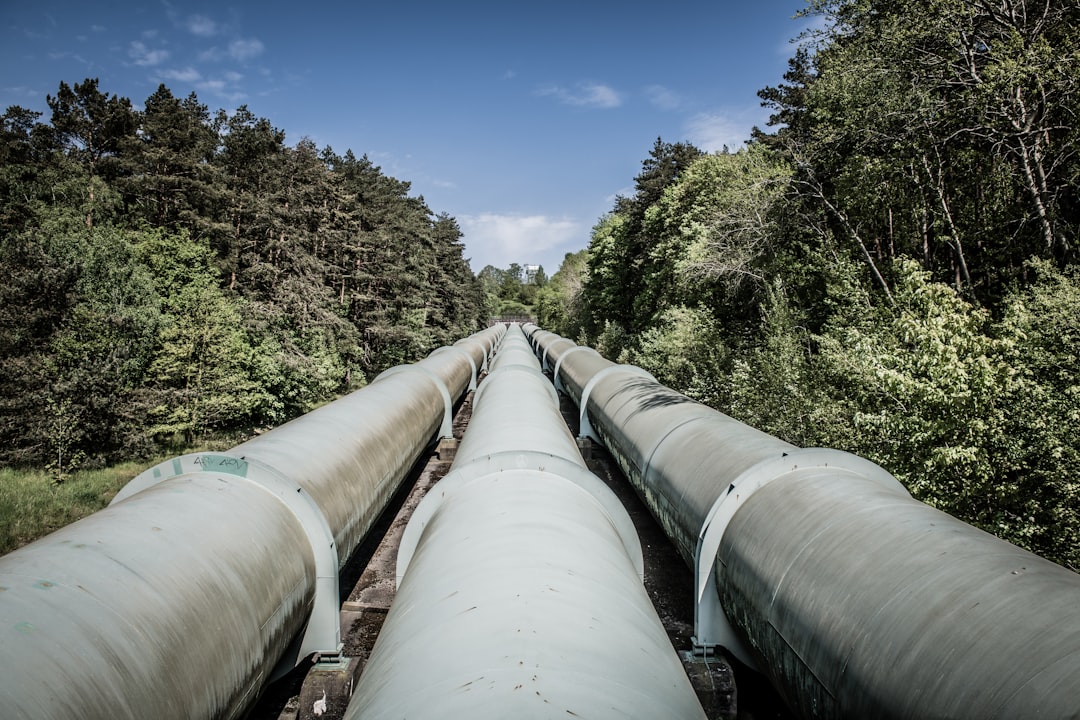
The U.S. is constructing over 100 new gas-fired power plants, projected to increase domestic gas demand by 6% next year. This expansion establishes a long-term, higher baseline for gas consumption, raising concerns about future supply strain and price volatility.
The United States is experiencing a significant expansion in natural gas-fired power generation, with over 100 new plants currently under construction. This build-out is projected to drive a substantial increase in domestic gas demand. The U.S. Energy Information Administration (EIA) forecasts a 6% rise in domestic gas consumption next year as some of these new facilities come online.
This trend represents a long-anticipated shift in central station power generation for the U.S. utility industry, designed to establish a new, higher baseline for gas demand. The operational lifespan of these new gas power plants typically exceeds thirty years, indicating a long-term commitment to natural gas as a primary electricity source. While initially beneficial for grid stability and potentially lower emissions compared to coal, the rapid expansion raises concerns about future gas supply adequacy and price volatility.
The implications for the energy market are multifaceted. A sustained increase in demand could strain existing infrastructure, particularly pipelines and storage, leading to potential bottlenecks and price spikes during peak periods or unforeseen supply disruptions. Furthermore, a long-term reliance on natural gas, despite its lower carbon footprint than coal, may complicate future decarbonization efforts if renewable energy deployment does not keep pace with increasing electricity demand. The investment in these new gas plants locks in a specific energy pathway for decades, making the energy transition more rigid. The economic viability of these assets over their full lifecycle will depend on future gas prices, regulatory changes, and the competitive landscape from burgeoning renewable technologies.
Analyst's Take
The sheer scale and long operational life of these new gas plants suggest a potential future divergence between natural gas and renewable energy asset valuations. As climate policies tighten and storage solutions improve, these long-lived gas assets could face stranded asset risk earlier than anticipated, creating opportunities in options markets for hedging against future carbon taxes or regulatory shifts that favor renewables over baseload gas generation.