EnergyOilPrice.comJun 24, 2026· 1 min read
Adani Group Targets 10 GW Nuclear Capacity by 2035, Signaling Private Sector Shift
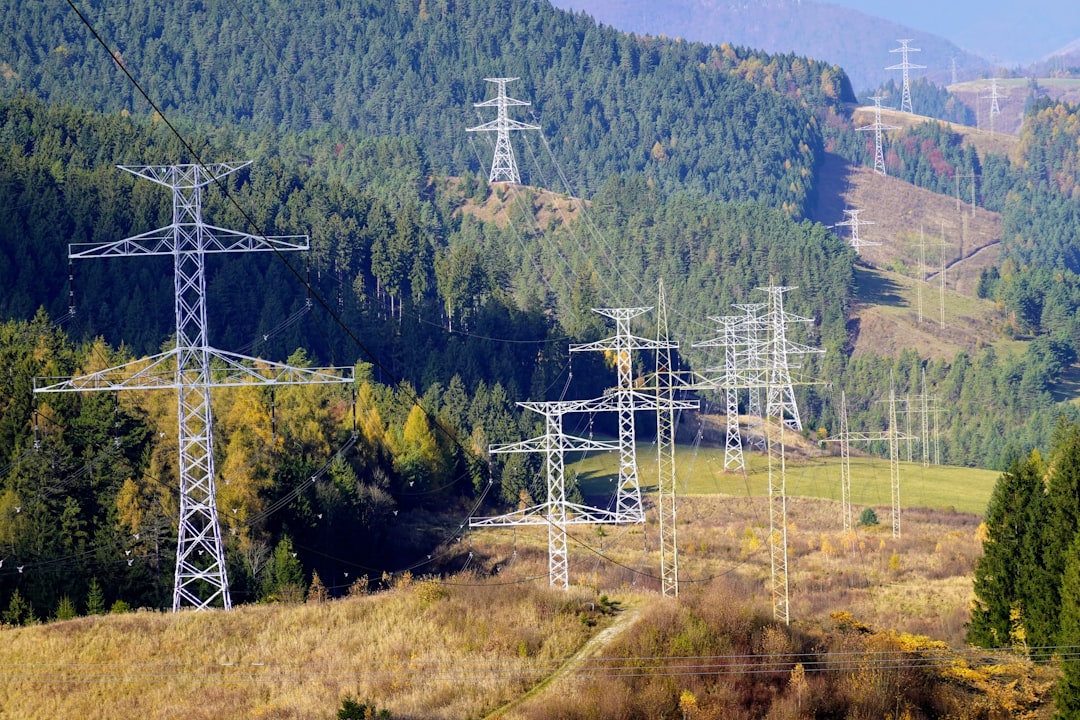
Adani Group plans to develop 10 GW of nuclear power capacity in India by 2035, becoming a major private player in the sector. This initiative follows India's opening of civil nuclear power to private investment, aiming to boost energy security and decarbonization efforts.
Indian conglomerate Adani Group aims to develop 10 gigawatts (GW) of nuclear power capacity by 2035, positioning itself as a leading private player in India's nuclear energy sector. This ambitious target follows the Indian government's decision to open civil nuclear power to private investment, a move designed to accelerate the nation's energy transition and enhance energy security.
Gautam Adani, chairman of the Adani Group, stated that the company's entry into nuclear energy via Adani Atomic Energy marks a crucial step toward securing India's long-term energy future. The group has reportedly identified land for the projects, signaling concrete progress beyond initial announcements. This development represents a significant shift in India's energy policy, traditionally dominated by state-owned enterprises in the nuclear domain.
From an economic perspective, private sector involvement is expected to inject capital and efficiency into nuclear power development, potentially reducing project timelines and costs. India's growing energy demand, coupled with its commitment to decarbonization, makes nuclear power a strategic asset. The 10 GW target by Adani alone represents a substantial addition to India's current nuclear capacity, which stands at approximately 7.5 GW.
This private sector pivot could foster competition, drive technological innovation, and attract further foreign investment into India's energy infrastructure. It also diversifies the nation's energy mix, reducing reliance on fossil fuels and mitigating the volatility of global energy markets. The long-term nature of nuclear projects, however, necessitates sustained regulatory support and access to specialized financing mechanisms.
Analyst's Take
While Adani's announcement signals a significant pivot in India's energy strategy, the market may be underpricing the long lead times and substantial capital expenditure required for nuclear projects, even with private involvement. The actual pace of deployment will depend heavily on regulatory streamlining and the establishment of robust, long-term financing frameworks, which could attract global nuclear technology partners but also introduce geopolitical complexities.