MacroBBC BusinessJun 2, 2026· 1 min read
Curry Partnership with Chinese Brand Signals Shifting Athletic Sponsorship Landscape
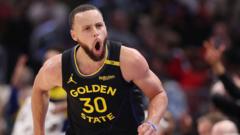
NBA star Stephen Curry has signed a new endorsement deal with a Chinese sportswear brand, marking a significant shift in athletic sponsorships. This partnership underscores the growing strategy of Chinese firms to leverage global sports icons for international brand expansion and market penetration.
NBA star Stephen Curry has inked a new endorsement deal with a prominent Chinese sportswear brand, following the conclusion of his long-standing partnership with Under Armour. This move highlights an intensifying trend within the global athletic apparel market, where Chinese enterprises are strategically pursuing high-profile international athletes to bolster their brand recognition and market share beyond domestic borders.
For Chinese brands, securing agreements with globally recognized figures like Curry is a critical component of their expansion strategies. These partnerships are designed to elevate brand perception, establish credibility in competitive international markets, and directly challenge the dominance of established Western sportswear giants. The investment in such deals reflects a broader economic ambition to transition from regional players to global competitors, leveraging individual star power to bridge cultural and market divides.
From an economic perspective, this shift represents a potential reallocation of significant marketing and endorsement capital. While Western brands have historically dominated this space, the increasing financial clout and global aspirations of Chinese firms are creating a more competitive environment for athlete sponsorships. This could lead to increased bidding wars for top-tier talent, potentially driving up endorsement values across the industry.
Furthermore, such partnerships facilitate direct access for Chinese brands to Western consumer markets through the athletes' existing fan bases. It also diversifies the revenue streams for athletes, offering alternatives to traditional Western endorsements. The strategic importance of these deals extends beyond mere advertising, acting as a cultural and commercial bridge for Chinese companies aiming to embed themselves in the global consumer consciousness.
Analyst's Take
This trend points to a forthcoming shift in the global power dynamic of sports marketing budgets, with Chinese brands likely to become net exporters of endorsement capital. The long-term implications for established Western brands include potentially higher athlete acquisition costs and increased pressure to innovate, as their traditional market dominance faces a new, well-funded competitive front.

