EnergyOilPrice.comMay 28, 2026· 1 min read
TotalEnergies Submits Plans for $5.2 Billion Normandy Offshore Wind Farm
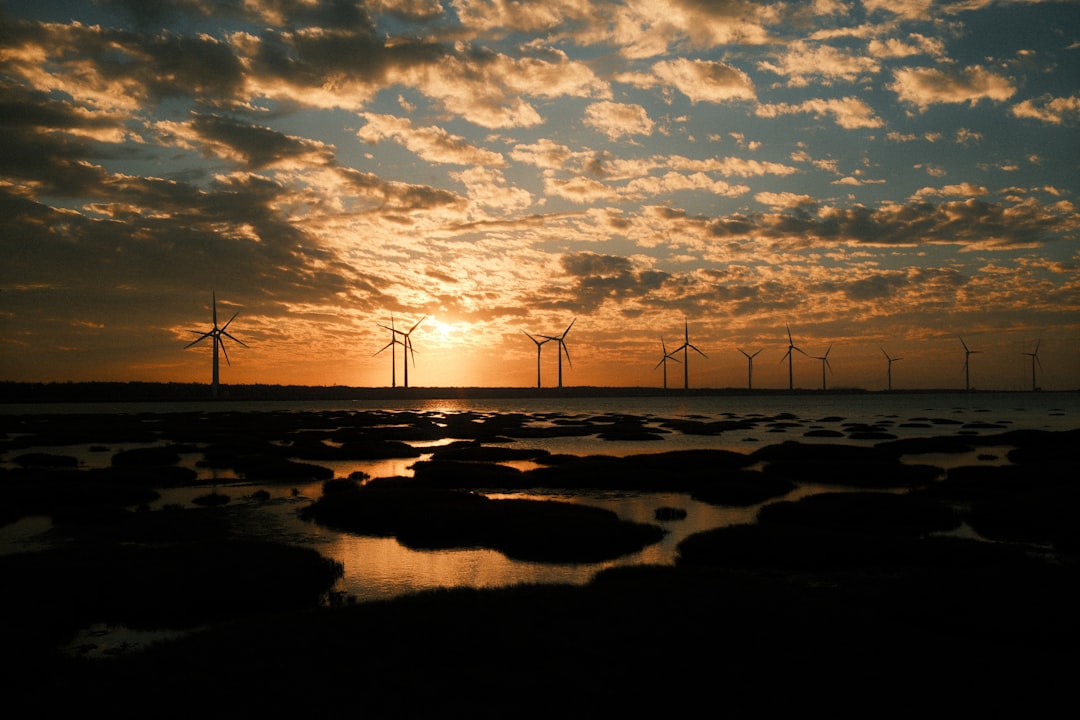
TotalEnergies has formally submitted its application for a $5.2 billion, 1.5-GW offshore wind project off the coast of Normandy, France. This move signifies a major capital commitment by the energy giant towards renewable energy, advancing France's green transition and diversifying TotalEnergies' asset portfolio.
TotalEnergies has filed its official application for a Single Authorization for France's largest planned renewable energy project: a 1.5-gigawatt (GW) offshore wind farm situated approximately 40 kilometers off the Normandy coast. Estimated to cost $5.2 billion, this development marks a significant step in the energy transition strategy of the French supermajor, eight months after it was awarded the project by the French government.
The project, managed by TotalEnergies' wholly-owned subsidiary Centre Manche Energies, represents a substantial capital expenditure commitment by one of Europe's largest energy companies towards decarbonization. This investment is poised to contribute considerably to France's renewable energy targets, enhancing grid stability and reducing reliance on fossil fuels for electricity generation.
Economically, the project is expected to generate significant regional employment during its construction and operational phases, boosting local economies in Normandy. Furthermore, the long-term operational revenue streams from power generation will diversify TotalEnergies' portfolio, reducing exposure to volatile hydrocarbon prices while aligning with evolving environmental regulations and investor preferences for sustainable assets. The successful deployment of such large-scale offshore wind capacity is critical for the broader European energy market's decarbonization efforts and energy independence goals.
Analyst's Take
While TotalEnergies' significant investment in offshore wind signals a clear pivot towards renewables, the scale and complexity of this specific project imply potential downstream inflationary pressures on specialized offshore construction and installation services across Europe. Furthermore, securing the 'Single Authorization' could become a template for future large-scale projects, accelerating permitting processes but also potentially creating bottlenecks for specialized supply chains and skilled labor, which the market may not yet be fully pricing into the long-term project cost curves of other European developers.