MarketsMarketWatchJul 9, 2026· 1 min read
Taco Bell Supply Chain Disruptions Amid Parasitic Outbreak
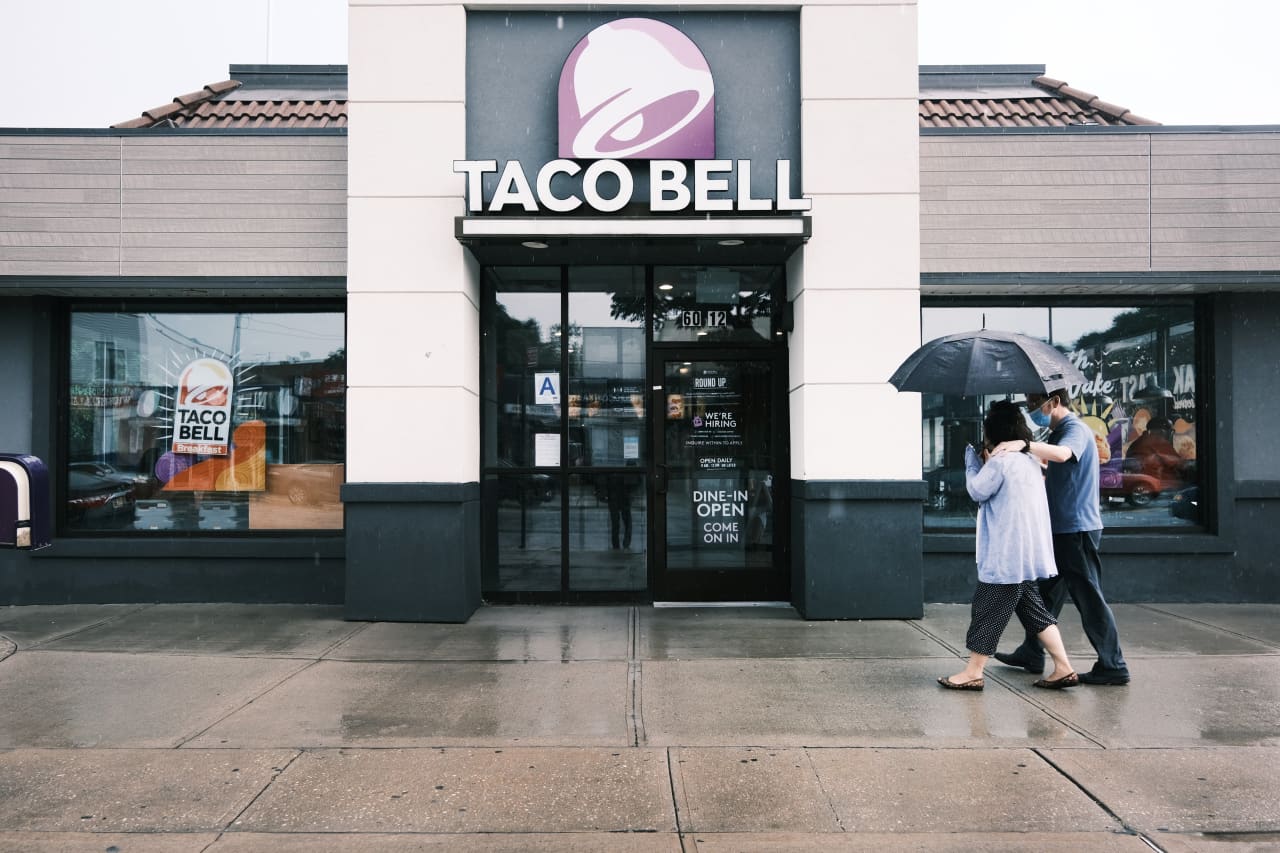
Taco Bell is reportedly removing certain produce from some stores in response to a parasitic illness outbreak affecting over 1,000 people in Michigan. This operational adjustment signals potential supply chain disruptions and proactive measures to address public health concerns.
Taco Bell, a subsidiary of Yum! Brands, is reportedly withdrawing certain produce items from select restaurant locations. This operational adjustment follows an outbreak of a parasitic illness, primarily affecting Michigan, which has sickened over 1,000 individuals. While the specific produce items or the direct link to Taco Bell's supply chain have not been officially confirmed by health authorities or the company, the precautionary measure indicates potential supply chain disruption and a proactive response to public health concerns.
The economic implications of such an event can extend beyond immediate sales impacts. For Taco Bell, product withdrawals necessitate inventory write-offs, increased logistical complexities to reroute or replace affected produce, and potential brand reputation damage. Suppliers, particularly those operating within the affected regions or supplying the implicated produce, face immediate demand contraction and potential investigations, which could impact their own financial stability and future contracts.
From a broader perspective, foodborne illness outbreaks can trigger shifts in consumer confidence, potentially reducing demand for specific food categories or dining out in general. This can create ripple effects across the restaurant industry and agricultural sector. Regulatory scrutiny also typically increases in the wake of such events, potentially leading to more stringent food safety protocols and compliance costs for businesses. The scale of the Michigan outbreak suggests a localized but significant public health event, prompting businesses like Taco Bell to implement measures to mitigate risk and ensure consumer safety, even as official investigations are ongoing.
Analyst's Take
While seemingly localized, this event highlights the fragility of just-in-time food supply chains to unexpected health crises, potentially prompting broader industry reassessments of inventory buffers and supplier diversification. Future regulatory changes regarding food traceability and safety protocols, driven by such outbreaks, are a looming cost pressure for the entire food service sector.


