EnergyOilPrice.comMay 26, 2026· 1 min read
NATO Sounds Alarm on Russian Hybrid Threats to European Energy Grid
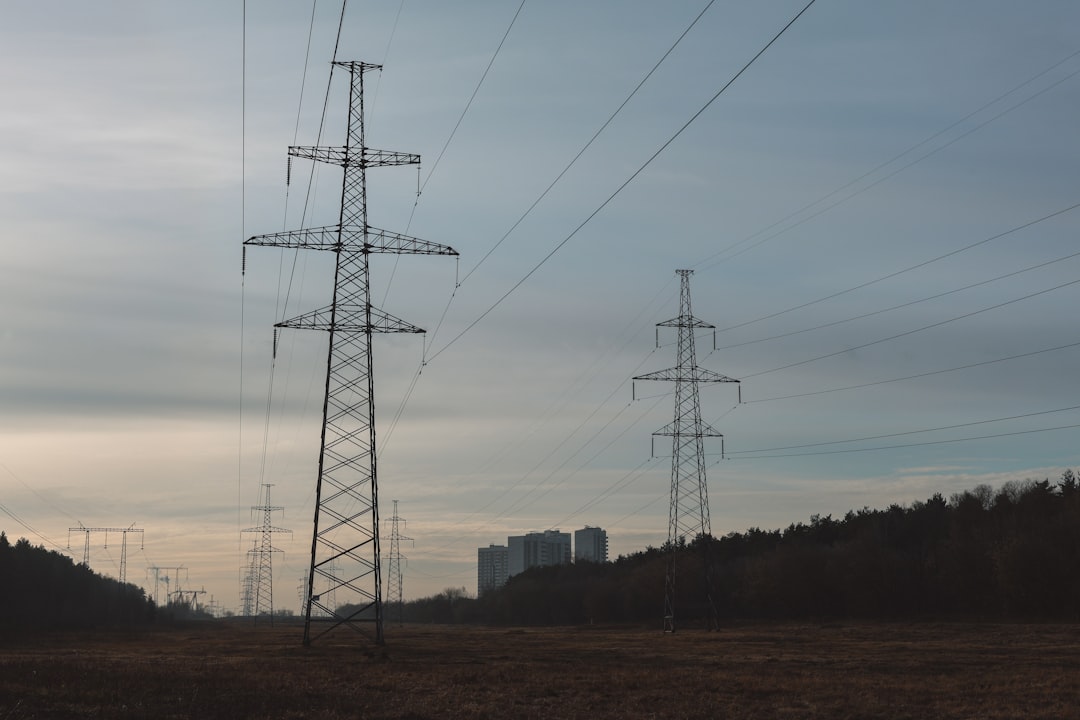
NATO is warning of significant Russian hybrid warfare threats targeting Europe's energy grid, extending beyond conventional military concerns to include cyberattacks and sabotage. Such disruptions could severely impact industrial production, commerce, and daily life, leading to economic instability and market volatility across the continent.
NATO officials are increasingly concerned about potential Russian hybrid warfare targeting Europe's critical energy infrastructure, according to a senior source close to the EU's energy security complex. This comes as attention has largely focused on the transfer of nuclear weapons to Belarus, diverting from what some perceive as a more immediate threat to economic stability. The warning signals a broadening of perceived Russian aggression beyond conventional military operations, encompassing cyberattacks, sabotage, and other disruptive tactics aimed at undermining Western economies.
The potential disruption of energy grids across Europe carries significant economic implications. Such attacks could lead to widespread power outages, impacting industrial production, commerce, and daily life for millions. This would not only incur direct economic costs from damaged infrastructure and lost productivity but also likely trigger significant market volatility, particularly in energy commodities and utilities sectors. Europe's reliance on a robust and secure energy network is fundamental to its economic output and resilience.
The strategic focus on energy infrastructure highlights its role as a critical vulnerability in modern conflict. Past incidents, such as the Nord Stream pipeline sabotage, have underscored the fragility of energy supply lines and the potential for non-kinetic attacks to cause substantial economic damage. A coordinated campaign against the grid could exacerbate existing energy price volatility, contribute to inflationary pressures, and strain national budgets through increased security spending and emergency response measures. The long-term economic impact would depend on the scale and duration of any disruptions, potentially leading to capital flight and reduced foreign investment in affected regions.
Analyst's Take
While the immediate market reaction might be localized to European utilities, the more significant, underestimated risk lies in escalating insurance premiums for critical infrastructure globally and the subsequent reallocation of capital towards energy independence projects, potentially distorting renewable energy investment timelines as security supersedes pure cost-efficiency. The bond market may begin to price in higher sovereign risk premiums for nations with perceived weaker grid defenses, even before any physical attacks materialize.