MarketsMarketWatchMay 19, 2026· 1 min read
Fed Minutes Reveal Business Strategy Amidst Elevated Energy Costs
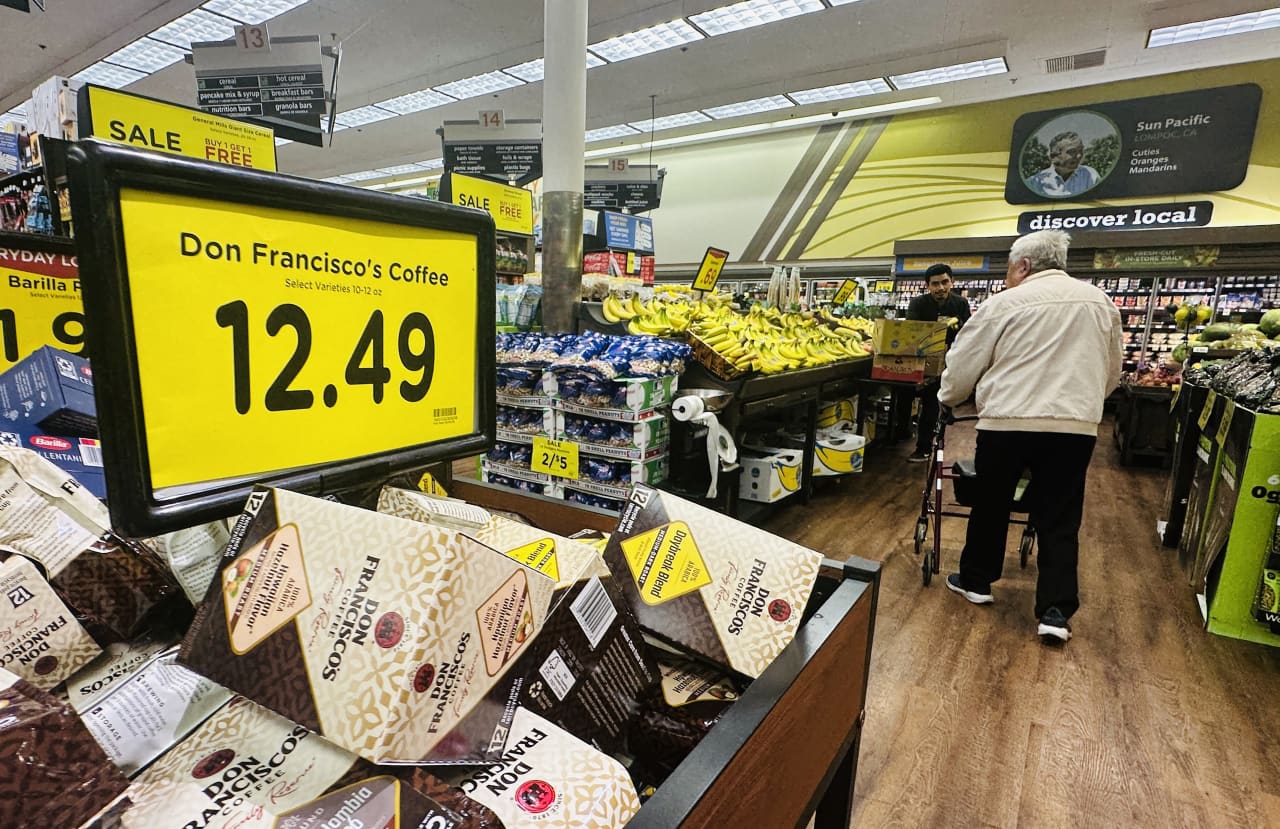
Federal Reserve meeting minutes indicate that businesses are increasingly passing on higher energy costs to consumers, contributing to persistent inflation. This trend suggests strong pricing power within industries and complicates the Fed's efforts to manage inflationary pressures.
Recent minutes from the Federal Reserve's latest meeting provide insight into how businesses are responding to persistent energy cost pressures. Discussions among Fed officials highlighted a growing trend of companies successfully passing on higher input costs, particularly those related to energy, to their consumers. This development is crucial for understanding the current inflationary landscape and the trajectory of monetary policy.
The minutes detailed anecdotal evidence from various Federal Reserve districts, indicating that firms across different sectors are implementing price increases to offset elevated operational expenses. These increases are not solely limited to direct energy consumers but also extend through supply chains, impacting raw materials, transportation, and manufacturing costs. The ability of businesses to absorb or transfer these costs is a key determinant of broader inflation.
Policymakers noted that while some businesses initially absorbed a portion of these costs, competitive pressures and sustained higher energy prices have necessitated direct price adjustments to maintain profit margins. This transfer of costs to the consumer suggests a degree of pricing power within many industries, potentially contributing to the stickiness of current inflation rates. The Fed's analysis underscores the challenge in dislodging inflation when cost-push factors, such as energy, are effectively translated into higher end-user prices.
The implications for monetary policy are significant. If businesses continue to exhibit strong pricing power in the face of rising costs, the central bank may find it more challenging to bring inflation back to its target without more aggressive demand-side interventions. The minutes signal that the Fed is closely monitoring this dynamic as it assesses the appropriate path for interest rates.
Analyst's Take
The market may be underestimating the stickiness of service-sector inflation as energy costs, often a leading indicator for broader price pressures, are successfully being passed through. This continued pass-through, even as commodity energy prices stabilize or fall, could signal that businesses are rebuilding margins or testing price elasticity, making a quicker return to the Fed's 2% target more challenging than currently priced into bond markets.


