EnergyOilPrice.comMay 28, 2026· 1 min read
Norwegian Energy Firms Boost Long-Term Investment Projections
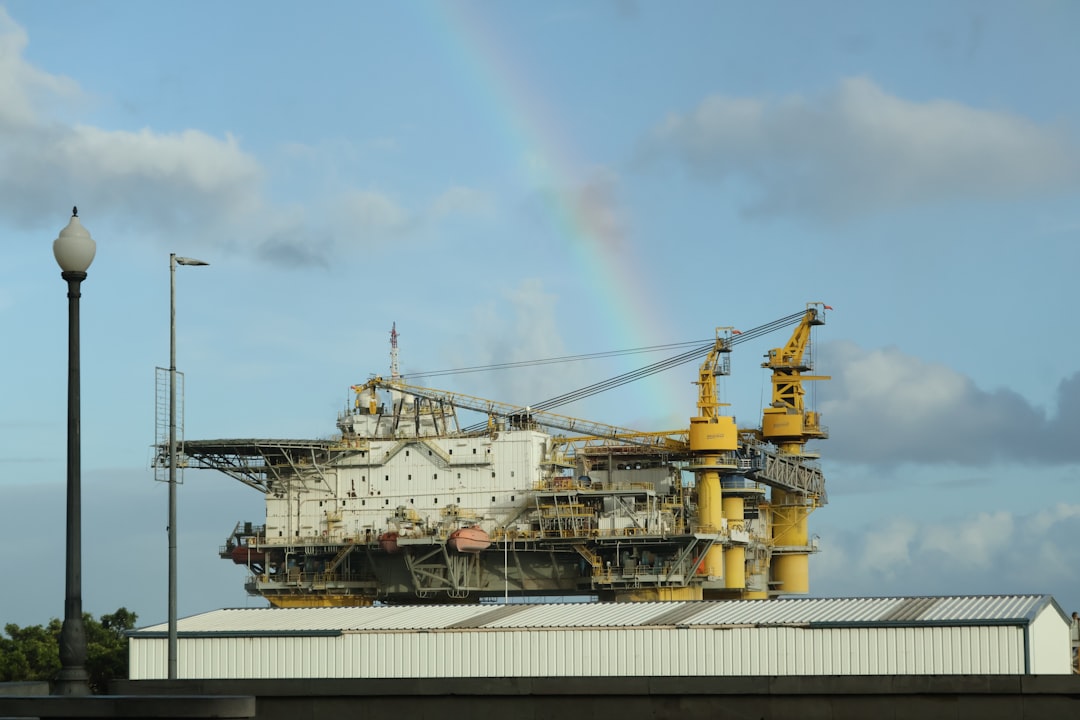
Norwegian oil and gas companies have increased their capital expenditure forecasts for 2026 and 2027, revising expected spending upwards to NOK 266 billion and NOK 207 billion, respectively. This adjustment indicates a more resilient long-term investment trajectory for the sector, even as overall spending is still projected to dip slightly after a record 2025.
Norwegian oil and gas producers have revised upwards their capital expenditure (capex) forecasts for 2026 and 2027, signaling a more robust long-term outlook for the sector, according to recent industry estimates. This adjustment comes despite expectations that overall capital spending will experience a slight decrease following a record year anticipated in 2025.
Companies now project total investments for 2026 to reach NOK 266 billion (approximately $28.64 billion), an increase from the NOK 255 billion estimated three months prior. Similarly, the forecast for 2027 capex has been elevated to NOK 207 billion, up from the previous estimate of NOK 201 billion. These revised figures indicate sustained confidence in future oil and gas production capabilities within Norway's continental shelf.
The underlying impetus for this increased capital allocation includes significant redevelopment projects, with one notable initiative accounting for NOK 20 billion of the additional spending. While specific project details remain somewhat sparse, the emphasis on redevelopment suggests investments aimed at extending the operational life of existing fields and optimizing recovery rates, rather than solely focusing on new discoveries. This strategic pivot could be influenced by a combination of factors, including energy security concerns, commodity price stability, and a potentially longer transition period away from fossil fuels than previously modeled.
Despite the upward revisions for 2026 and 2027, the industry still anticipates a modest dip in spending post-2025. However, the magnitude of this decline is now expected to be less pronounced, indicating a more resilient investment trajectory than initially foreseen. The sustained investment in Norway's mature basin underscores its ongoing role as a reliable energy supplier, impacting global supply dynamics and the long-term energy transition narrative.
Analyst's Take
The upward revision in Norway's long-term energy capex, while seemingly modest, subtly signals a divergence from the prevailing narrative of rapid fossil fuel divestment, particularly among European producers. This could reflect a quiet reassessment of energy security priorities post-geopolitical shocks, suggesting that the 'peak oil demand' timeline is being pushed further out for some key suppliers, potentially mispriced by green-focused equity markets. We may see similar, less publicized, investment recalibrations from other stable, high-ESG-score energy producers in the coming quarters.