MarketsMarketWatchMay 29, 2026· 1 min read
SpaceX IPO Poised to Reshape Retirement Portfolios
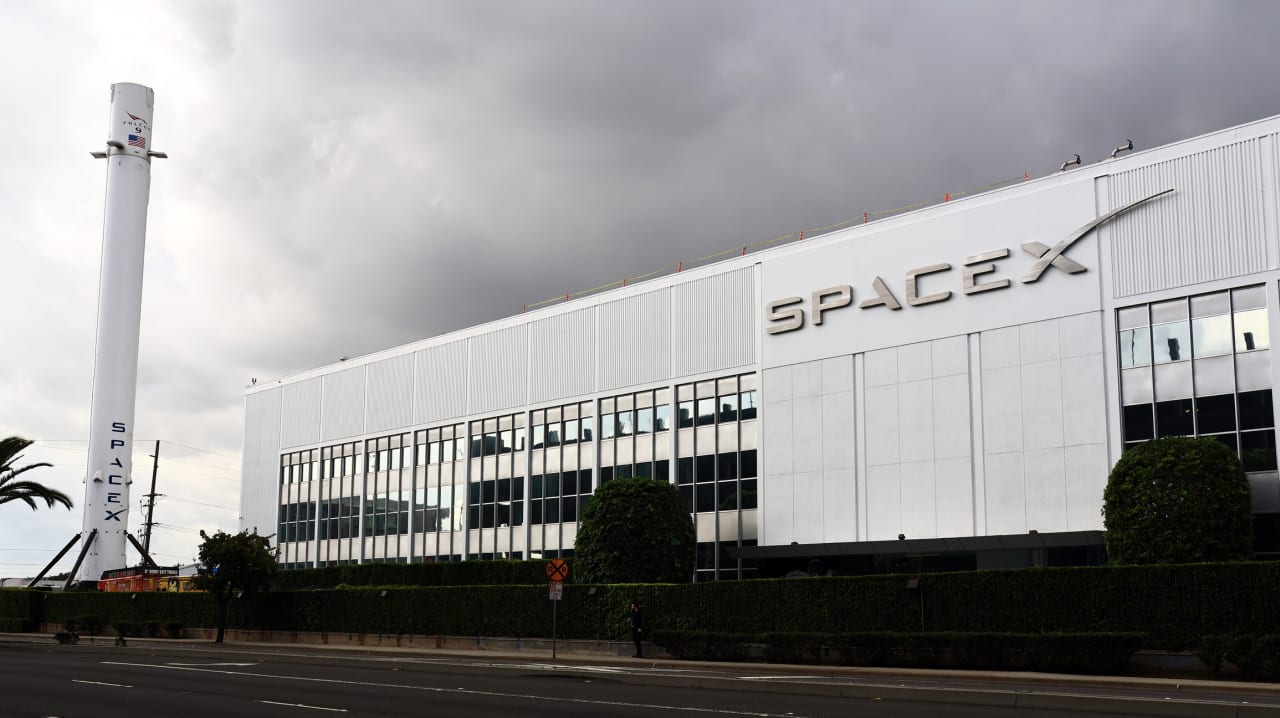
SpaceX's anticipated IPO is expected to lead to its rapid inclusion in broad market index funds, thereby channeling significant retirement savings into the company's stock. This move could expose a vast number of retail investors to the aerospace sector, potentially reshaping their retirement portfolios.
Elon Musk's aerospace venture, SpaceX, is anticipated to undergo an initial public offering (IPO) that could significantly impact index funds and, by extension, individual retirement plans. Experts suggest that upon its public debut, SpaceX's stock will likely be rapidly integrated into broad market index funds, particularly those heavily utilized within 401(k)s and other retirement vehicles.
The widespread adoption of passive investment strategies means that index funds automatically allocate capital to companies meeting specific market capitalization and liquidity criteria. Given SpaceX's substantial private valuation, estimated in the hundreds of billions, and its prominence in the commercial space sector, it is expected to meet these benchmarks swiftly after its IPO. This automated inclusion would channel a significant portion of retirement savings into the company's shares without direct investor discretion.
The move could expose a vast number of retail investors, through their retirement accounts, to the potentially volatile yet high-growth aerospace industry. While offering diversification into a cutting-edge sector, it also introduces a new layer of concentration risk for those heavily invested in broad market indices. The financial implications for asset managers and custodians overseeing these funds will include the logistical challenges of integrating a high-profile, potentially large-cap entity into existing portfolio structures. The IPO would mark a pivotal moment for both the private space industry's financial maturation and the passive investing landscape.
Analyst's Take
The rapid inclusion of a high-growth, high-volatility stock like SpaceX into passive retirement vehicles could subtly increase systemic risk for a significant portion of the retail investor base. This automatic exposure might be overlooked by investors accustomed to the 'safe' diversification of index funds, potentially leading to a lagged market reaction to any future SpaceX-specific performance shifts as investors become more acutely aware of their indirect holdings.


