EnergyOilPrice.comJul 1, 2026· 1 min read
AI's Soaring Energy Demand: A $5 Trillion Infrastructure Challenge
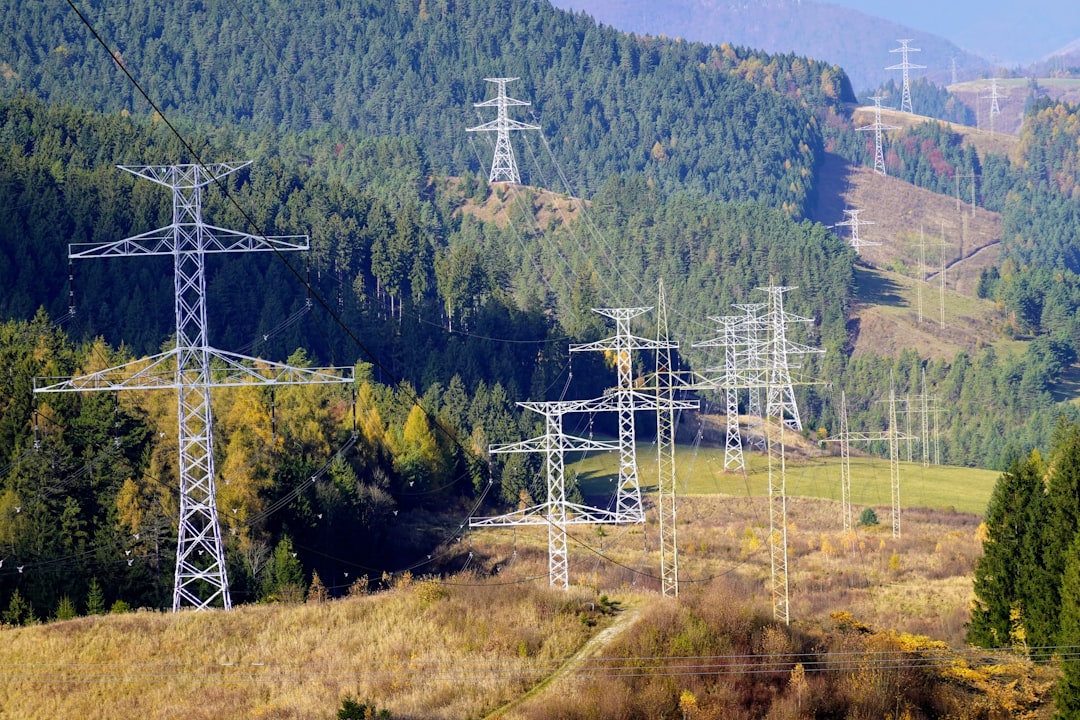
The AI industry is driving a projected $5 trillion infrastructure buildout by 2030, primarily for data centers requiring 100 gigawatts of new electrical capacity. This expansion will significantly increase energy demand, rivaling major cities, and necessitate substantial investment in power generation and transmission infrastructure.
The burgeoning artificial intelligence sector is poised to drive an unprecedented global infrastructure buildout, with projected spending potentially exceeding $5 trillion by 2030, according to McKinsey. This capital injection is primarily directed towards developing "AI factories" – vast data center campuses equipped with advanced processors, networking, and cooling systems. Industry analysis by JLL estimates that developers will need approximately 100 gigawatts of new data center capacity in the coming years.
This rapid expansion is not merely a technological advancement but a significant economic undertaking with profound implications for energy markets and capital allocation. The electrical demand of these AI facilities is anticipated to rival that of major urban centers, creating substantial pressure on existing power grids and necessitating considerable investment in new generation and transmission infrastructure. The scale of this demand suggests a fundamental shift in industrial energy consumption patterns, potentially accelerating the transition towards more robust and diversified energy sources.
For investors, the implications extend beyond direct AI hardware. The demand for cooling systems, high-capacity networking, and especially reliable and sustainable power generation will create numerous ancillary market opportunities. Utilities, engineering and construction firms specializing in power infrastructure, and renewable energy developers are likely to see sustained growth. Furthermore, the geographical distribution of these AI factories will be heavily influenced by access to affordable and abundant electricity, potentially shifting investment patterns in real estate and regional economic development.
Analyst's Take
The massive energy demand from AI data centers will likely accelerate investment in long-duration energy storage and grid modernization, beyond just new generation, as intermittency becomes a critical concern for continuous AI operations. This could pull capital from other infrastructure projects or elevate the cost of capital for utilities, leading to rate increases that ripple through other industrial sectors, potentially before the full extent of AI's energy consumption is publicly priced in.