MarketsMarketWatchJun 23, 2026· 1 min read
Goldman Strategist: AI Market Shows Hyperscaler CapEx Growth Amid Software Cost Reductions
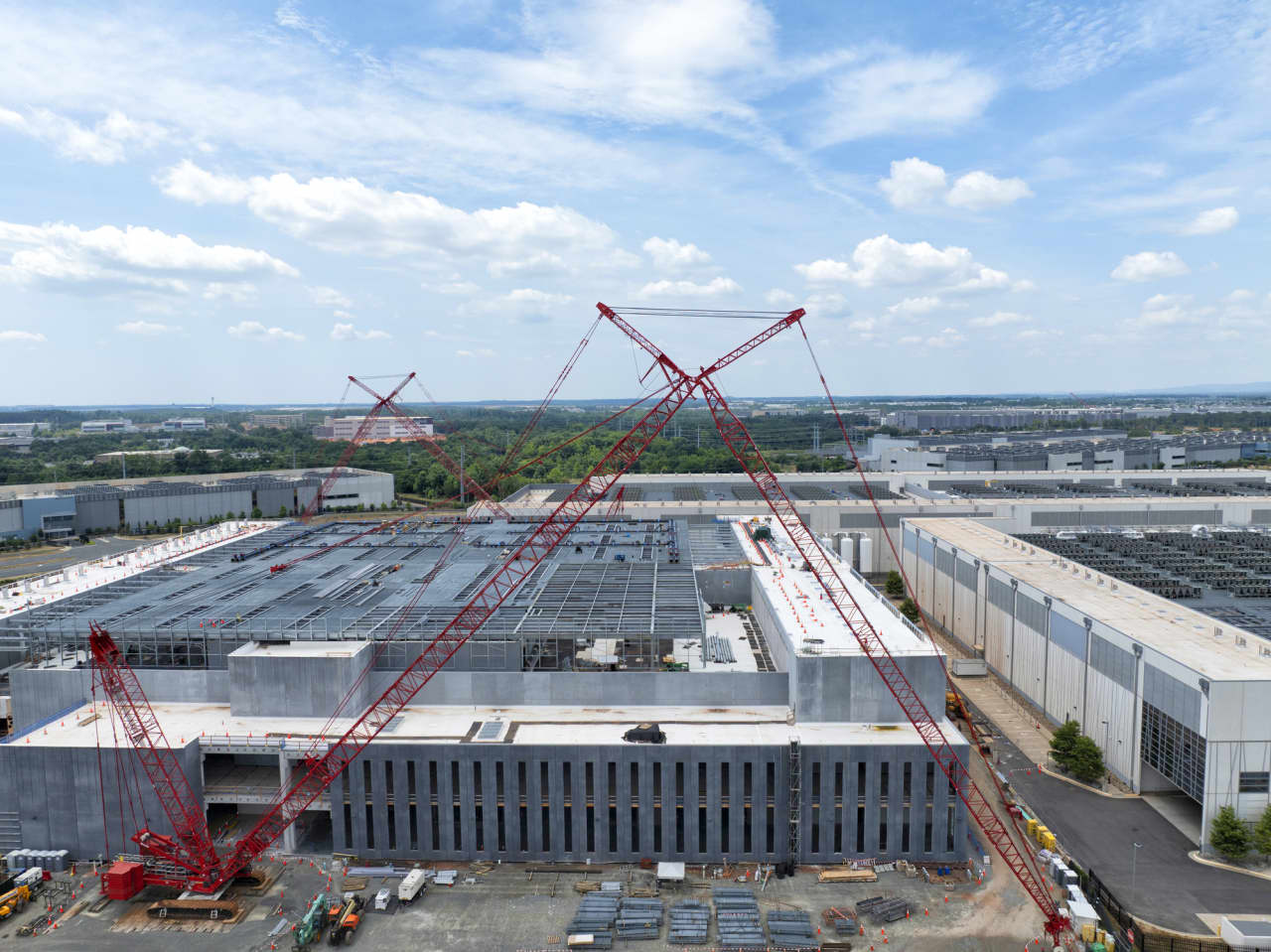
Goldman Sachs strategist Rich Privorotsky notes hyperscalers are significantly increasing capital expenditure for AI infrastructure, while AI software development costs are simultaneously declining. This dual trend indicates robust foundational investment alongside increasing accessibility and potential competition in AI applications.
Rich Privorotsky, a strategist at Goldman Sachs, has characterized the artificial intelligence (AI) market as a 'rubber band,' indicating a period of significant, potentially stretched, growth. The primary dynamic observed is the continued escalation of capital expenditure (CapEx) forecasts by major hyperscalers — large cloud providers and tech companies. These firms are investing heavily in the infrastructure required to support AI development and deployment, including data centers, specialized chips, and network capacity.
Simultaneously, Privorotsky noted a contrasting trend: the decreasing cost of developing AI software. This suggests a broadening accessibility to AI innovation beyond the largest players. While hyperscalers are driving demand for hardware and foundational AI services through their substantial investments, the cost efficiencies in software development could foster a more diverse and competitive landscape for AI applications and services.
The economic implications of these trends are multifaceted. Elevated CapEx by hyperscalers signals sustained confidence in AI's long-term growth trajectory and revenue potential, potentially benefiting chip manufacturers, data center operators, and infrastructure providers. Conversely, cheaper AI software development could lower barriers to entry for startups and smaller enterprises, accelerating innovation and potentially leading to a wider array of AI-powered products and services across various industries. This dual dynamic creates a complex environment, where foundational infrastructure investment is robust, while application development becomes more democratized, potentially increasing overall market competition and driving down end-user costs for AI solutions.
Analyst's Take
The divergence between rising hyperscaler CapEx and falling AI software development costs signals an impending supply-side commoditization of AI models and tools, even as demand for raw compute power remains high. This suggests a future where the value chain shifts from proprietary model development to novel application and integration, likely favoring platform-agnostic integrators and niche solution providers over pure-play foundational model developers within the next 12-18 months. The market may be overlooking the impending margin compression for undifferentiated AI software as entry barriers fall.


