EnergyOilPrice.comJul 13, 2026· 1 min read
European Natural Gas Prices Surge Amid Renewed Hormuz Tensions
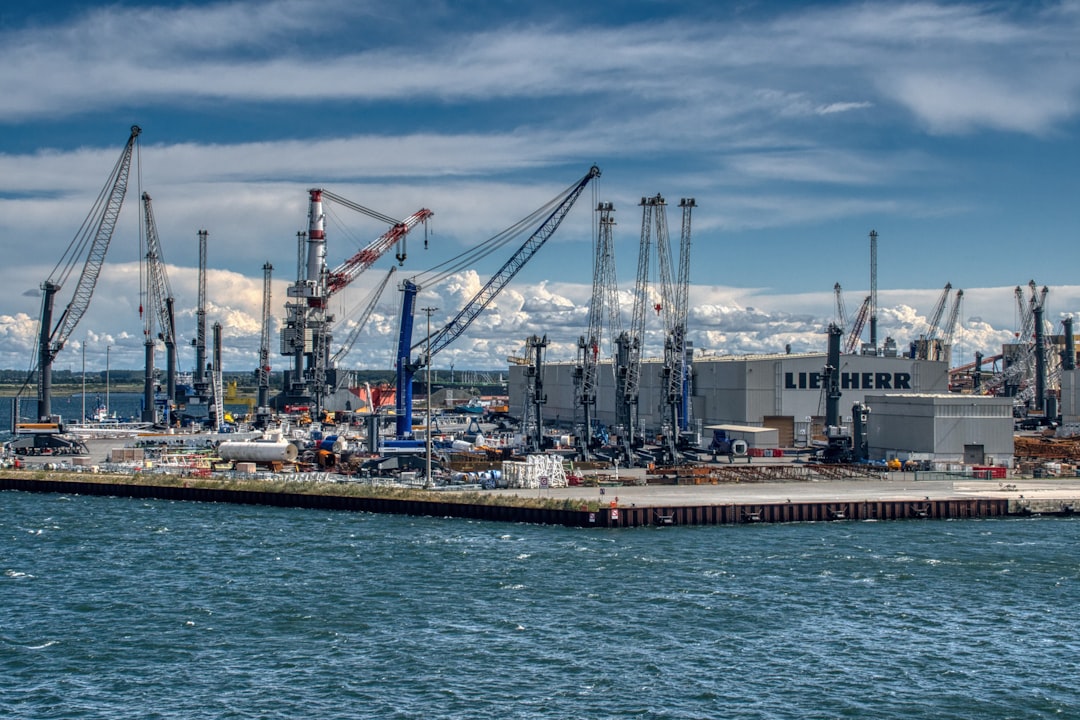
European natural gas prices rose over 3% on Monday, with the Dutch TTF August 2026 contract reaching $59.51/MWh, driven by escalating geopolitical tensions in the Strait of Hormuz. The renewed concerns about LNG shipment disruptions from the Middle East are reintroducing a risk premium into the European gas market.
European benchmark natural gas prices experienced a notable increase on Monday, following escalated geopolitical tensions surrounding the Strait of Hormuz. The Dutch TTF Natural Gas Futures contract for August 2026 jumped 3.35% to $59.51 (50.43 euros) per megawatt-hour (MWh) as of early Amsterdam trading. This surge pushed prices back above the critical 50-euro threshold, reversing a decline observed on Friday.
The Strait of Hormuz, a vital chokepoint for global energy trade, is critical for shipments of liquefied natural gas (LNG) originating from the Middle East. Renewed tensions between the U.S. and Iran over the weekend have raised concerns about the strait's navigability and the potential for disruptions to these crucial energy flows. Europe relies significantly on LNG imports, particularly in the wake of efforts to diversify away from Russian pipeline gas, making the stability of Middle Eastern supply routes paramount.
Any sustained disruption or perceived threat to transit through the Strait of Hormuz could have immediate and substantial implications for European energy security and pricing. The market reaction reflects an increased risk premium being built into future natural gas contracts, signaling heightened apprehension among traders regarding potential supply constraints. This sensitivity underscores the ongoing fragility of global energy supply chains to geopolitical events, even those occurring far from European shores.
Analyst's Take
While the immediate price reaction is localized to gas, a sustained increase in energy geopolitical risk could prompt a flight to safety in broader fixed-income markets, pushing up yields on sovereign bonds in periphery EU nations first as investors re-evaluate economic stability. This sentiment shift may precede any direct economic impact, indicating a potential mispricing of systemic risk beyond commodity futures.