MarketsMarketWatchApr 25, 2026· 1 min read
Soaring Gas Prices Drive EV Consideration: A Financial Prudence Guide
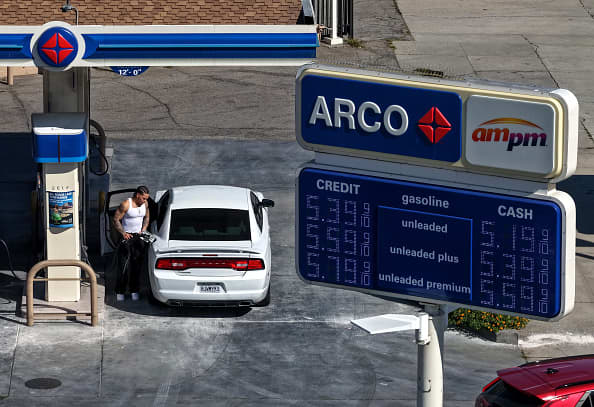
Elevated gasoline prices are prompting a surge in consumer interest in electric vehicles, requiring first-time buyers to carefully consider the financial implications beyond initial purchase. A comprehensive financial assessment must include depreciation, charging infrastructure costs, maintenance, insurance premiums, and long-term battery health to avoid potential financial missteps.
Rising gasoline prices, exemplified by the $4 per gallon benchmark, are significantly increasing consumer interest in electric vehicles (EVs). This shift, while driven by immediate fuel cost savings, necessitates careful financial consideration to avoid potential pitfalls for first-time EV buyers.
Economically, the decision to purchase an EV involves several key factors beyond the initial price tag. Depreciation rates for EVs, while varying by model and market conditions, can differ from traditional internal combustion engine (ICE) vehicles. Consumers must assess the long-term value retention of their chosen EV. Furthermore, the total cost of ownership extends to charging infrastructure. While home charging offers convenience, the installation cost of a Level 2 charger can be substantial. Public charging costs, particularly at fast-charging stations, can also impact overall running expenses and vary significantly by provider and location.
Maintenance, often touted as lower for EVs due to fewer moving parts, still encompasses tire wear (potentially accelerated by EV weight), battery health monitoring, and software updates. Understanding the warranty coverage for the battery pack, typically one of the most expensive components, is crucial. Insurance premiums for EVs can also be higher than comparable ICE vehicles, influenced by repair costs and part availability.
From a broader market perspective, increased EV adoption, spurred by fuel prices, could further strain supply chains for critical minerals used in batteries and potentially drive up EV prices in the short term. However, it also incentivizes greater investment in charging infrastructure and domestic battery production, creating new economic opportunities and jobs. Consumers evaluating an EV purchase must conduct a thorough cost-benefit analysis encompassing upfront costs, charging expenses, maintenance, insurance, and potential resale value to ensure the financial viability of their transition away from gasoline-powered vehicles.


