MacroBBC BusinessJun 3, 2026· 1 min read
US Imposes New Tariffs Citing Forced Labor Concerns
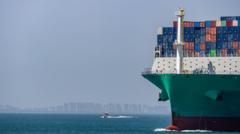
The U.S. has announced new tariffs on imports, citing forced labor concerns, following the Supreme Court's prior overturning of several Trump-era duties. This move could increase costs for U.S. importers and consumers, while pressuring businesses to diversify supply chains and potentially triggering retaliatory trade measures.
The United States has announced a new round of tariffs, targeting specific imports over concerns related to forced labor practices. This development follows a period of legal challenges to prior tariff implementations, notably the US Supreme Court's decision in February to overturn several duties previously imposed by President Donald Trump's administration. While the specific industries and countries affected by these new tariffs have not yet been fully detailed, the move signals a continued emphasis on human rights and ethical sourcing within global supply chains as a component of U.S. trade policy.
Economically, these tariffs could introduce new costs for U.S. importers and consumers, potentially leading to higher prices for affected goods. Businesses reliant on these imports may need to diversify their supply chains, seeking alternative sourcing regions or re-evaluating production strategies. For exporting nations, these tariffs represent a potential impediment to market access and could prompt diplomatic or retaliatory trade measures, further complicating global trade dynamics. The focus on forced labor suggests a strategic shift from broad-based tariffs to more targeted measures aimed at specific human rights violations, potentially setting a precedent for future trade enforcement actions globally.
This policy action underscores the evolving landscape of international trade, where non-economic factors like labor standards are increasingly influencing market access and supply chain decisions. The long-term economic implications will depend on the scope and enforcement of these tariffs, as well as the reactions from trade partners and the affected industries.
Analyst's Take
While presented as a human rights initiative, these targeted tariffs signal a subtle shift towards 'friendshoring' or 'allyshoring' by incentivizing supply chain diversification away from specific regions. The timing, post-Supreme Court reversals on broader tariffs, indicates a legal strategy to implement trade barriers under a more defensible human rights banner, which may be adopted more widely by other nations and sectors seeking to de-risk supply chains without invoking traditional trade war rhetoric.

