MacroBBC BusinessAug 3, 2026· 1 min read
UK Fuel Thefts Surge to £200k Daily Amid Geopolitical Tensions
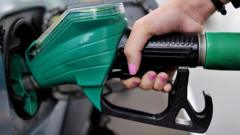
Fuel thefts in the UK have surged to an estimated £200,000 daily since October, marking a fifth consecutive month of rising incidents. This increase, coinciding with global geopolitical tensions affecting energy markets, imposes significant costs on retailers and could indirectly contribute to higher consumer prices and broader economic strain.
UK forecourts are experiencing a significant escalation in fuel thefts, with an estimated £200,000 worth of fuel stolen daily since October. This marks a fifth consecutive month of increased incidents, correlating with the onset of the Israel-Hamas conflict in October 2023. The industry analysis highlights a substantial rise in 'drive-offs' and other forms of fuel siphoning across the country.
The surge in thefts directly impacts fuel retailers, increasing operational costs and potentially narrowing profit margins. These businesses often bear the brunt of these losses, as a significant portion of stolen fuel is rarely recovered. The financial strain could lead to higher prices at the pump for legitimate customers, exacerbating inflationary pressures already present in the economy.
From a macroeconomic perspective, sustained fuel theft can subtly contribute to broader economic instability. Elevated operating costs for logistics and transportation sectors, reliant on fuel, could translate into increased consumer goods prices. While not a primary inflation driver, it adds another layer of cost pressure within the supply chain, at a time when the UK economy is grappling with persistent inflation and cost-of-living challenges.
The trend suggests a potential link between global geopolitical events, which often influence energy prices, and domestic economic behaviors. As crude oil prices react to international instability, the perceived value of fuel to individuals, especially those facing economic hardship, may increase, leading to a rise in opportunistic crime. Industry stakeholders are now likely evaluating enhanced security measures and policy interventions to mitigate these growing losses.
Analyst's Take
While immediately impacting retailers, sustained fuel theft could act as a lagging indicator for broader economic stress and consumer sentiment, especially if it disproportionately affects areas already struggling with high inflation. The market may be underestimating the potential for this trend to translate into pressure on transport and logistics company margins, which could indirectly manifest as upward pressure on inflation for consumer goods within the next two quarters.

