MarketsMarketWatchMay 20, 2026· 1 min read
Oil Prices Dip on Trump's Renewed Iran De-escalation Pledge
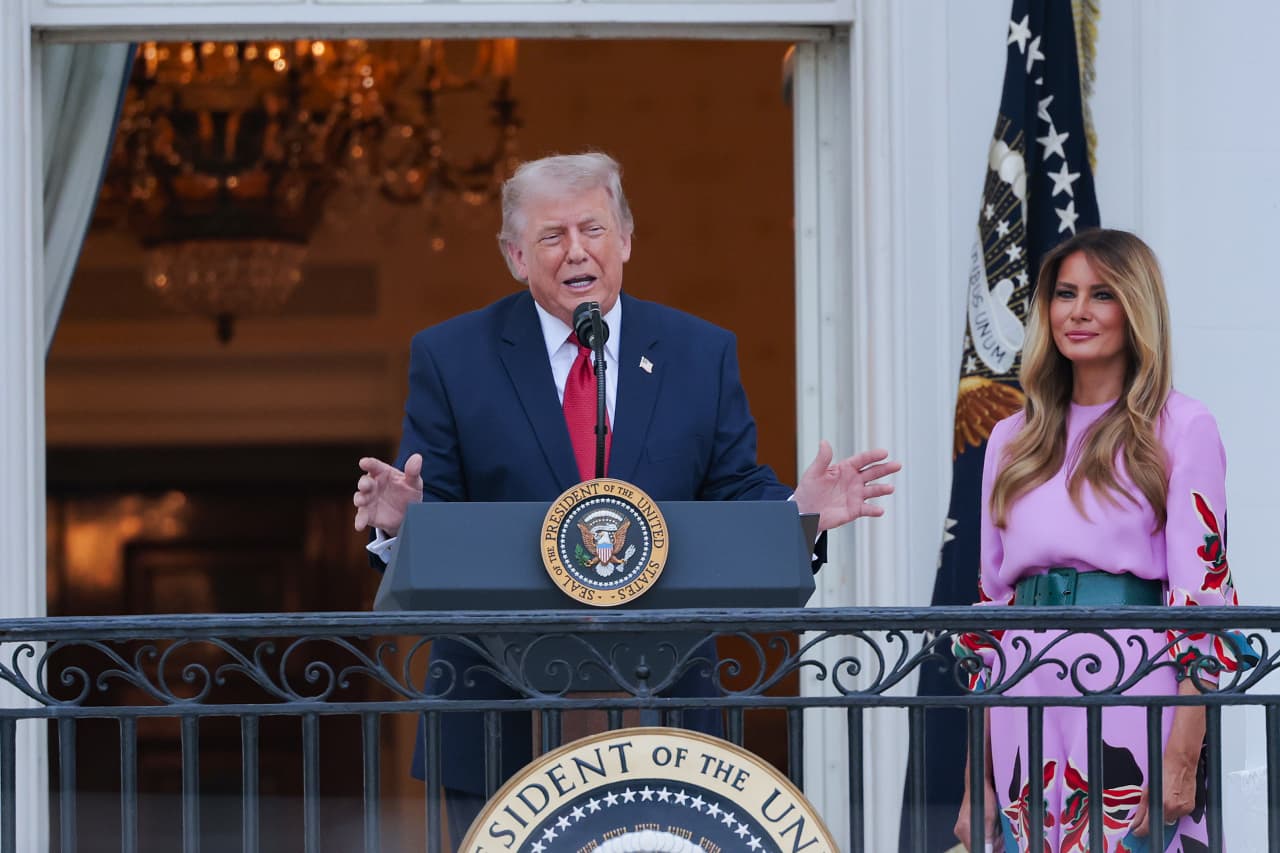
Oil prices declined after former President Donald Trump stated he would "very quickly" end the war in Iran if re-elected, signaling a potential de-escalation of geopolitical risks in the Middle East. This political rhetoric influenced crude futures, despite increased activity reported in the Strait of Hormuz.
Oil futures experienced a decline on Tuesday following former President Donald Trump's assertion that he would "very quickly" end the conflict in Iran if re-elected. This political rhetoric introduced a fresh layer of geopolitical uncertainty into the energy markets, influencing trader sentiment regarding potential supply disruptions from the Middle East.
The West Texas Intermediate (WTI) crude oil futures, the U.S. benchmark, saw a decrease of 1.3%, settling at $79.26 per barrel. Brent crude, the international benchmark, similarly fell by 1.1% to $83.67 per barrel. The decline reverses some of the recent gains driven by ongoing tensions in the region, particularly around key chokepoints.
Trump's comments, made during a campaign event, suggested a rapid resolution to Middle Eastern conflicts, which market participants interpreted as a potential reduction in geopolitical risk premiums embedded in oil prices. Historically, any perceived easing of tensions in the Persian Gulf region, especially concerning Iran, tends to exert downward pressure on oil prices due to the implications for global supply.
The Strait of Hormuz, a critical maritime passage for a significant portion of the world's oil supply, reportedly experienced "one of its busiest days since the closure" on the same Tuesday. While the context of this increased activity was not immediately detailed, the juxtaposition with Trump's remarks highlights the inherent volatility and sensitivity of the region to both political statements and operational realities. Energy analysts will closely monitor further political developments and actual shipping traffic for sustained impacts on crude valuations.
Analyst's Take
While Trump's comments offer a near-term political risk discount to oil, the market may be underpricing the *actual implementation risk* of such a rapid de-escalation, especially given the entrenched geopolitical complexities. A sustained and verifiable peace dividend for oil would likely only materialize post-election and after concrete diplomatic actions, potentially leading to a delayed but significant price recalibration if real progress is made.


