EnergyOilPrice.comMay 18, 2026· 1 min read
US LNG Emerges as Global Supply Cornerstone Amid Geopolitical Shifts
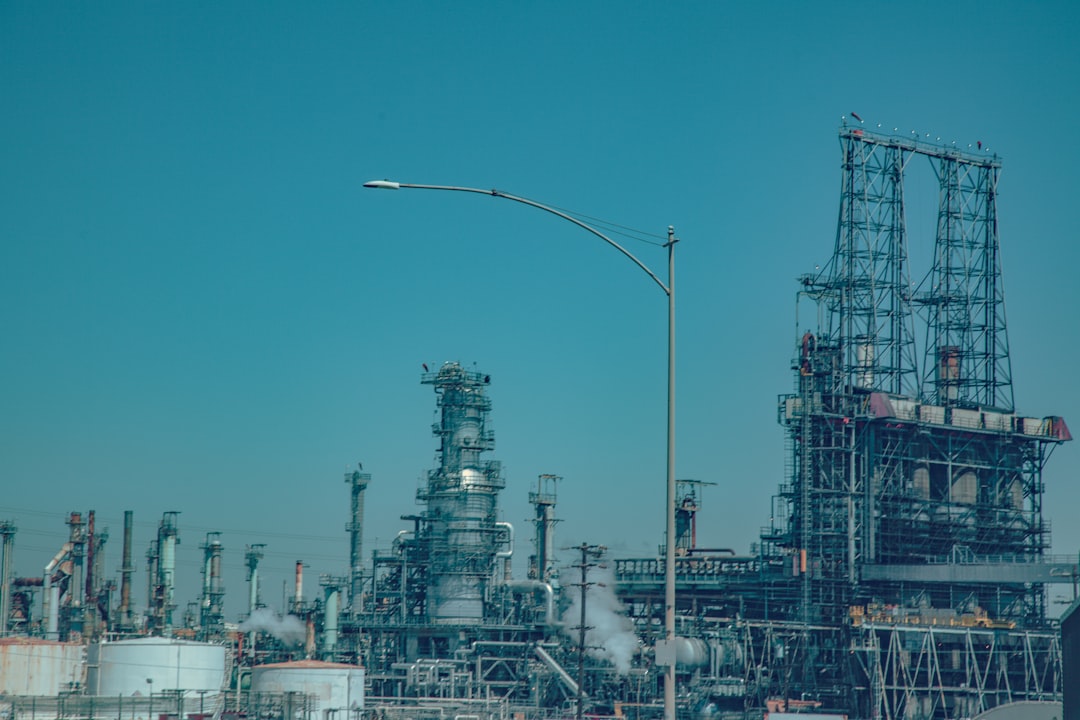
The United States is rapidly becoming the foundational supplier in global LNG markets, driven by increasing geopolitical instability and shipping security concerns impacting traditional Middle Eastern suppliers. This shift reconfigures global energy trade, offering diversified supply and enhancing market resilience.
The global liquefied natural gas (LNG) market is undergoing a significant structural shift, with the United States increasingly solidifying its position as a critical, reliable supplier. Historically, Qatar and the broader Middle East anchored global LNG trade, providing stable volumes under long-term contracts primarily to European and Asian buyers. This paradigm is now being fundamentally challenged by mounting geopolitical instability and escalating shipping security concerns, particularly in key transit regions like the Middle East.
Damage to energy infrastructure and heightened regional tensions are introducing substantial new risks into the supply chain, disrupting the previously stable flow of gas from traditional hubs. Concurrently, global LNG demand continues its upward trajectory, driven by energy transition efforts and the need for reliable baseload power generation, particularly in developing economies.
In response to these evolving market dynamics, the United States, leveraging its abundant shale gas resources and expanding export terminal capacity, has rapidly scaled up its LNG production and export capabilities. This expansion provides an alternative, geographically diversified source of supply, mitigating some of the geopolitical risks associated with other regions. The U.S. now offers a crucial counterbalance, contributing significantly to global energy security by ensuring supply diversification and market liquidity, thereby reducing reliance on any single region or transit route. This pivot underscores a broader rebalancing of global energy trade flows, with long-term implications for energy geopolitics and supply chain resilience.
Analyst's Take
While the immediate focus is on supply diversification, the long-term implications include increased price volatility in regional gas markets due to shorter-term U.S. contracts, potentially impacting industrial competitiveness in Europe and Asia. The market may be overlooking the accelerated investment in new U.S. export capacity that these geopolitical stresses will induce, potentially creating an oversupply scenario further down the line, perhaps within 3-5 years, once these new facilities come online, which could pressure global gas prices.