MacroBBC BusinessJun 24, 2026· 1 min read
UK Rail Safety Scrutiny Intensifies Post-Fatal Crash Report
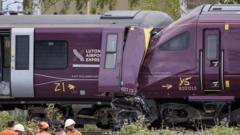
A preliminary report from the UK's Independent Rail Accident Investigation Branch indicates a train passed a red signal before a fatal crash, intensifying scrutiny on rail safety. This event is expected to lead to increased regulatory oversight, higher operational costs for rail companies, and potential impacts on public confidence and investment in the sector.
A preliminary report from the Independent Rail Accident Investigation Branch (RAIB) has revealed that a train passed a red signal shortly before a fatal collision, bringing renewed scrutiny to the safety protocols of the UK's railway network. While the RAIB's findings are preliminary, they point towards potential operational failings that could have significant economic ramifications for rail operators and infrastructure providers.
The incident, and the subsequent report, are likely to prompt increased regulatory oversight and potentially more stringent safety requirements across the industry. This could translate into higher operational costs for rail companies due to investments in enhanced signaling technology, more rigorous staff training, and increased maintenance budgets. For Network Rail, the publicly owned infrastructure manager, this may necessitate greater government funding or impact its investment capacity for future upgrades.
From an economic perspective, the long-term implications extend beyond direct operational costs. Public confidence in rail travel, a key component of the UK's transportation infrastructure, could be affected, potentially leading to a shift in passenger demand towards alternative modes of transport. This could impact revenue streams for both passenger and freight operators. Insurers may also reassess their risk models for the rail sector, potentially leading to higher premiums. The wider supply chain, including manufacturers of rail equipment and service providers, could experience a surge in demand for safety-related upgrades, though this would be offset by any downturn in general investment or passenger numbers.
The incident underscores the delicate balance between operational efficiency and safety in a critical national industry. The final RAIB report will be crucial in determining the specific causes and recommending definitive preventative measures, which will then shape the economic landscape of UK rail for years to come.
Analyst's Take
While the immediate focus is on operational safety, the incident could accelerate the adoption of advanced automated signaling systems (e.g., ERTMS) across the UK network. This technological shift, though costly upfront, promises long-term efficiency gains and reduced human error, potentially making the sector more attractive to private investment in the next 3-5 years as current infrastructure ages and automation benefits become undeniable.

