MarketsMarketWatchJun 19, 2026· 1 min read
Fed's Hawkish Stance Bolsters Dollar Amidst Capital Inflows
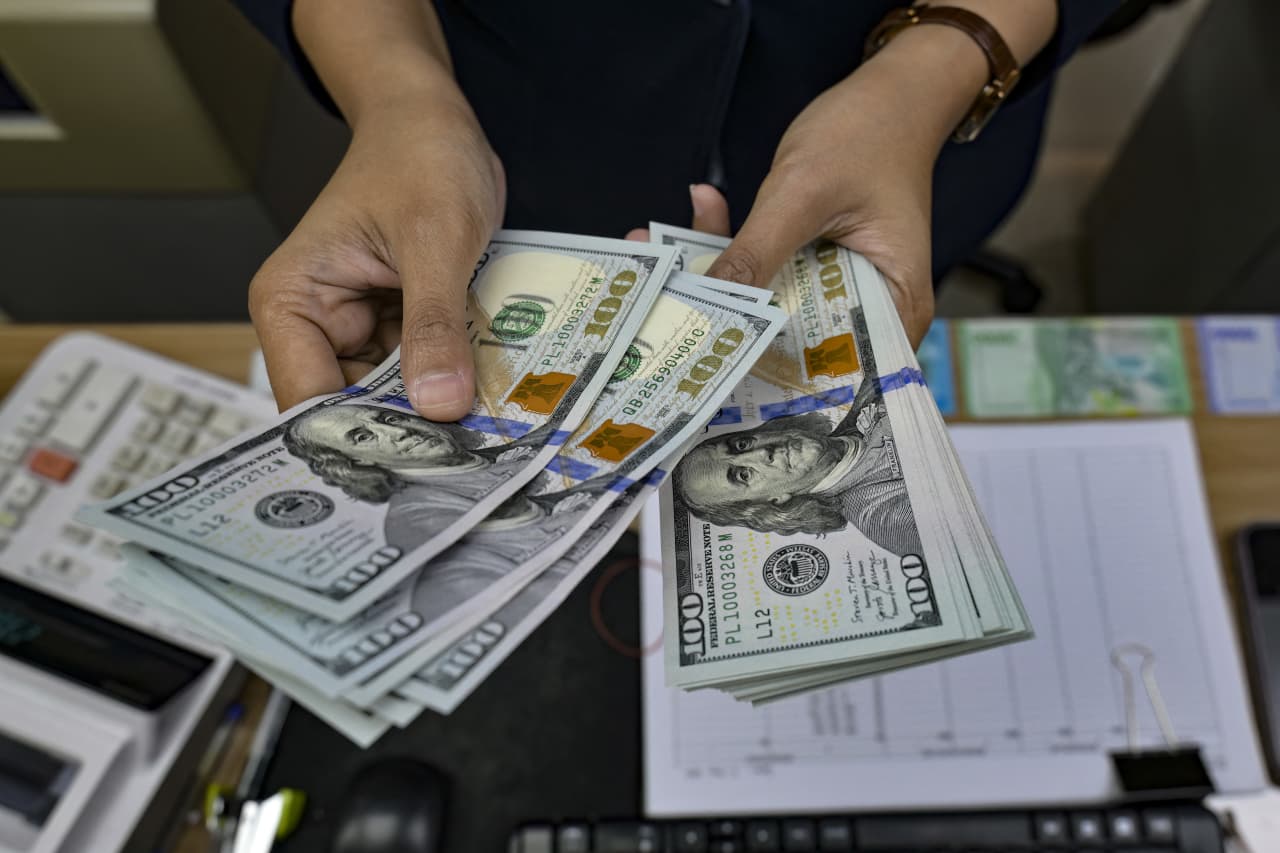
The U.S. dollar is seeing a strong bullish impulse due to the Federal Reserve's hawkish stance, widening interest rate differentials, and robust U.S. growth prospects. Increased capital demand from AI investments and significant stock market issuance are further contributing to this dollar strength.
The U.S. dollar is experiencing a significant shift in sentiment, driven by the Federal Reserve's hawkish monetary policy stance. This renewed bullish impulse for the dollar is primarily attributed to widening interest rate differentials between the U.S. and other major economies, making dollar-denominated assets more attractive to international investors.
Beyond monetary policy, the robust growth prospects of the U.S. economy, particularly in key technological sectors, are attracting substantial foreign direct investment. The burgeoning demand for capital stemming from artificial intelligence (AI) related investments is a notable factor, drawing significant funding into U.S. companies and innovation hubs. This capital inflow further strengthens the dollar as foreign investors convert their currencies to USD to participate in these growth opportunities.
Furthermore, a buoyant U.S. stock market, characterized by significant new equity issuance, is contributing to the dollar's demand. Companies raising substantial capital through stock offerings create a direct need for dollar liquidity, especially from international institutional investors participating in these primary market activities. This confluence of monetary policy, strong economic fundamentals, and capital market dynamics is creating a sustained demand for the U.S. dollar, indicating a potential new direction for the currency's valuation against its peers.
Analyst's Take
While the headline focuses on immediate dollar demand, the sustained capital inflows into U.S. tech and equity markets, particularly from AI investments, could delay the Fed's eventual pivot to rate cuts. This structural demand for USD may keep inflation stickier for longer through import cost pressures, even as the Fed aims to cool the economy, creating a potential divergence in market expectations versus actual policy trajectory into late 2024.


