MarketsMarketWatchApr 28, 2026· 1 min read
UAE Looms as Potential OPEC Exit, Reshaping Global Oil Dynamics
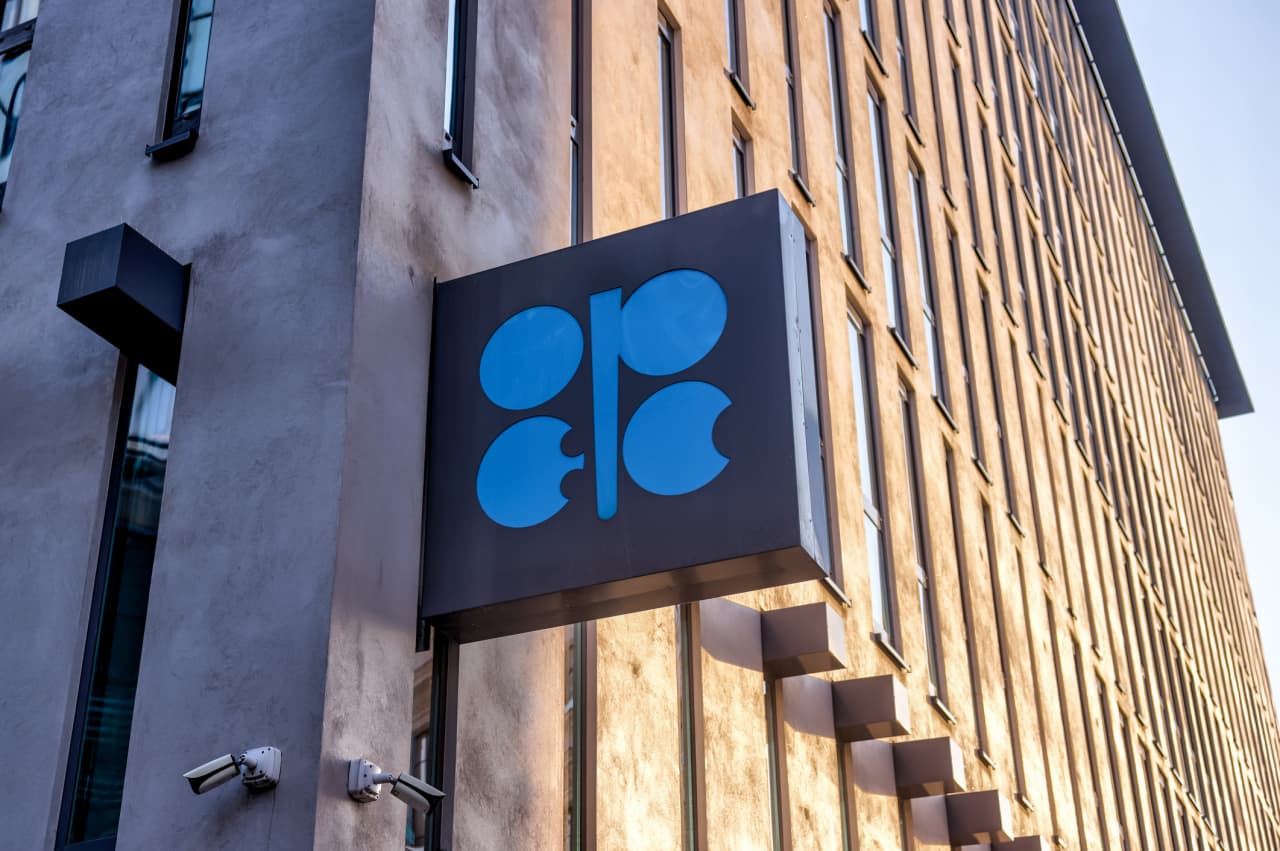
The United Arab Emirates is increasingly seen as the most likely country to exit OPEC, driven by its ambition for greater production autonomy and economic diversification. Such a departure would diminish OPEC's market influence and could introduce greater volatility and uncertainty into global oil supply dynamics.
Speculation is mounting that the United Arab Emirates (UAE) is the frontrunner to depart the Organization of the Petroleum Exporting Countries (OPEC), a move that could significantly reconfigure global oil supply dynamics. While the UAE has not officially confirmed such intentions, its increasing capacity and strategic diversification efforts suggest a potential loosening of ties with the cartel.
The UAE has consistently pushed for higher production quotas within OPEC, often clashing with the group’s collective production ceilings. Its ambitious expansion plans, particularly in the upstream sector, aim to significantly boost crude oil output capacity in the coming years. This drive for increased production autonomy, coupled with its growing investments in renewable energy and non-oil sectors, indicates a desire to reduce reliance on oil and pursue independent economic objectives.
An exit by a major producer like the UAE would have profound economic implications. For OPEC, it would diminish its collective market power and ability to influence global oil prices through coordinated production cuts or increases. The UAE’s departure could also encourage other members, particularly those with aspirations for greater production flexibility, to reconsider their own positions within the organization, potentially leading to further fragmentation.
From a global market perspective, a UAE exit could introduce increased volatility. While potentially leading to higher supply in the short term, it would also remove a key player from a coordinated supply management framework. This might complicate forecasting and introduce greater uncertainty regarding future oil flows, impacting investment decisions across the energy sector. Oil prices could face downward pressure from potentially unconstrained UAE production, but also upward pressure from diminished OPEC cohesion and increased geopolitical risk.
Analyst's Take
While a UAE exit from OPEC is primarily framed as an oil supply story, the more subtle implication is its potential to accelerate Saudi Arabia's own strategic re-evaluation of its long-term role within the cartel. A fragmented OPEC could push Saudi Arabia to strengthen bilateral oil alliances or pivot more aggressively towards energy transition investments, potentially undermining the petrodollar system's stability over the next decade. The market may be underestimating the cascading effect on other OPEC+ members, leading to a 'domino effect' where smaller producers also seek individual agreements outside the cartel's diminishing influence, shifting global oil governance from collective action to a series of bilateral arrangements.


