MarketsMarketWatchJun 1, 2026· 1 min read
Oil Prices Climb Amid Renewed US-Iran Tensions, Clouding Peace Prospects
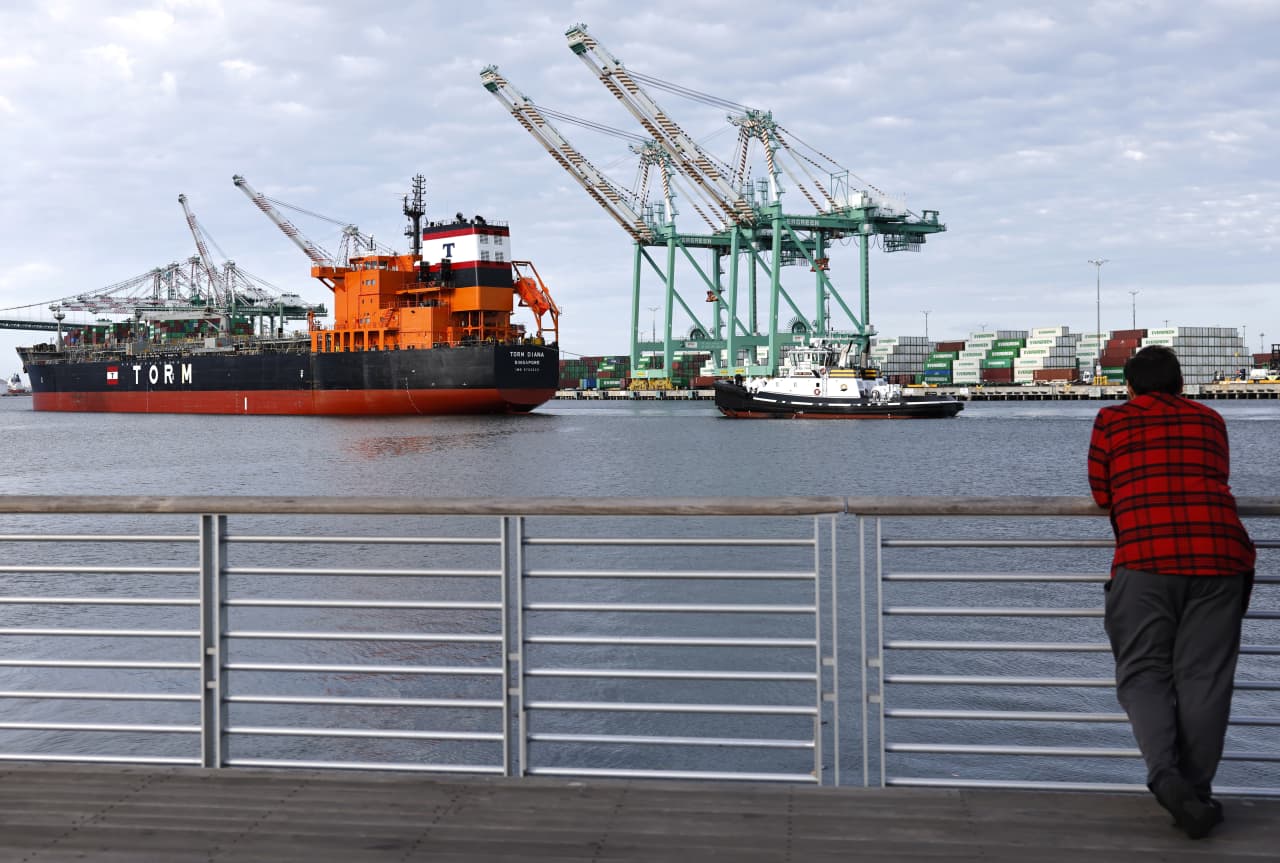
Oil prices rose after new attacks between the U.S. and Iran, dampening hopes for regional peace. The market reaction reflects an immediate risk premium due to heightened geopolitical instability in a key oil-producing region.
Global crude oil benchmarks, West Texas Intermediate (WTI) and Brent crude, experienced an uptick in their front-month contract prices following a fresh escalation of hostilities between the United States and Iran. The renewed exchange of attacks has dimmed market hopes for any immediate de-escalation or peace deal in the Middle East, a region critical for global oil supply.
The price increases reflect the market's immediate sensitivity to geopolitical instability in oil-producing regions. While the specific magnitude of the price climb was not detailed, such events typically introduce a risk premium into crude futures, reflecting potential supply disruptions or heightened logistical costs associated with navigating conflict zones. Traders often price in the 'fog of war' when tensions flare, anticipating potential interruptions to shipping lanes, port operations, or even direct hits to energy infrastructure.
This latest development underscores the persistent vulnerability of the global energy market to geopolitical events, even those not directly impacting production capacity in the short term. The focus now shifts to how long these elevated tensions will persist and whether they will translate into more concrete threats to oil supply chains, potentially impacting broader inflation metrics and energy-intensive industries.
Analyst's Take
While the immediate price jump reflects a geopolitical risk premium, the more significant, delayed impact may be on maritime insurance costs for tankers transiting the Persian Gulf, potentially adding a persistent, albeit minor, upward pressure on landed oil prices for several weeks. Furthermore, this localized conflict divergence risks diverting strategic attention and resources from other global energy security challenges, creating a silent opportunity for other supply-side disruptions to emerge unaddressed.


