MacroThe Guardian EconomicsJun 23, 2026· 1 min read
Former Fed Chair Alan Greenspan Dies at 100, Leaving a Complex Economic Legacy
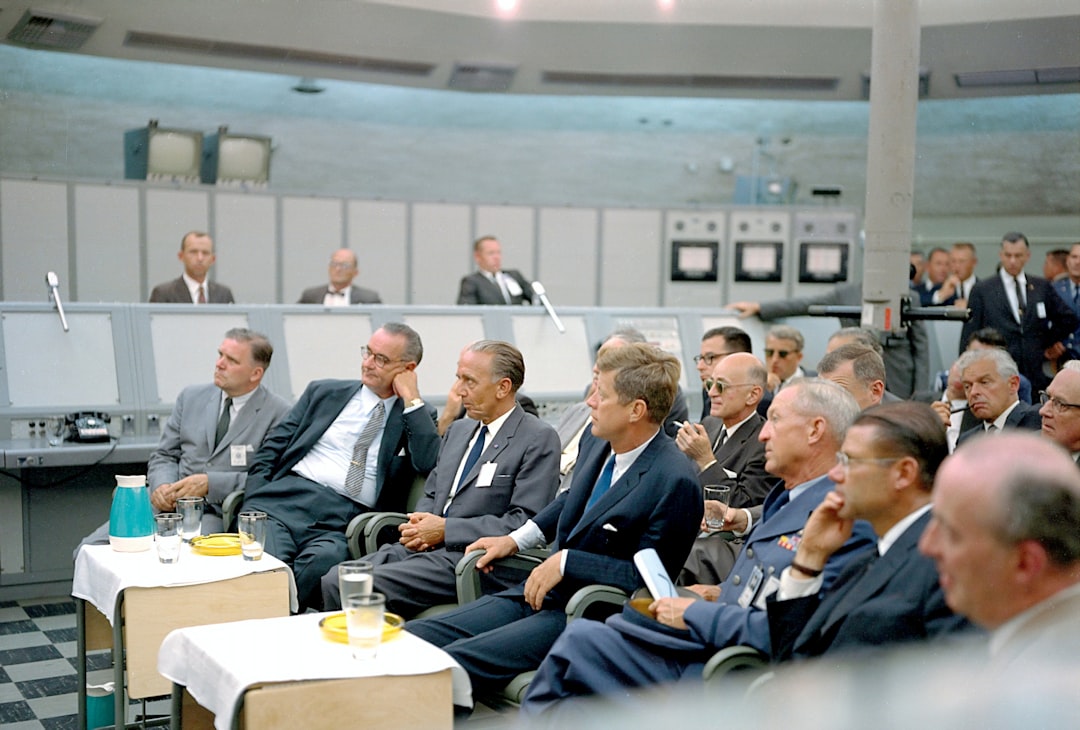
Former Federal Reserve Chairman Alan Greenspan has died at 100. His nearly two-decade tenure, from 1987 to 2006, saw significant economic growth and market stability, but also laid groundwork for future financial crises.
Alan Greenspan, the influential former chairman of the Federal Reserve, has died at the age of 100. Greenspan led the U.S. central bank for over 18 years, from August 1987 to January 2006, a period marked by significant economic expansion and technological advancement, but also by growing financial imbalances.
During his tenure, Greenspan was widely regarded as one of the most powerful figures in global economics, his pronouncements often moving markets. He presided over a period of sustained low inflation and robust growth, navigating several crises including the 1987 stock market crash, the Asian financial crisis, and the dot-com bubble burst. His policies, characterized by a willingness to cut interest rates in response to market turbulence, earned him the moniker 'The Maestro.'
However, his legacy is also subject to critical re-evaluation. Critics, including former Labor Secretary Robert Reich, argue that Greenspan’s philosophy, particularly his belief in largely unfettered markets, contributed to the build-up of systemic risks that ultimately led to the 2008 financial crisis. Specifically, his perceived inaction on the housing bubble and his endorsement of complex financial derivatives are often cited as major blind spots.
Greenspan's era saw a dramatic shift in the structure of the U.S. economy, including the rise of globalization and financial deregulation. While he is credited with fostering a period of remarkable prosperity, the long-term consequences of policies enacted under his leadership continue to be debated among economists and policymakers, offering valuable lessons for current economic governance.
Analyst's Take
Greenspan's passing highlights a generational shift in central banking philosophy, moving from a largely uncritical embrace of financial innovation to a more cautious, regulatory-focused approach. The ongoing debate about his legacy underscores the market's perpetual struggle to balance growth-inducing liquidity with the prevention of asset bubbles, a tension that will likely resurface with the next prolonged easing cycle.

