EnergyOilPrice.comJun 27, 2026· 1 min read
NASA Explores Lunar Energy for Sustainable Moon Base Operations
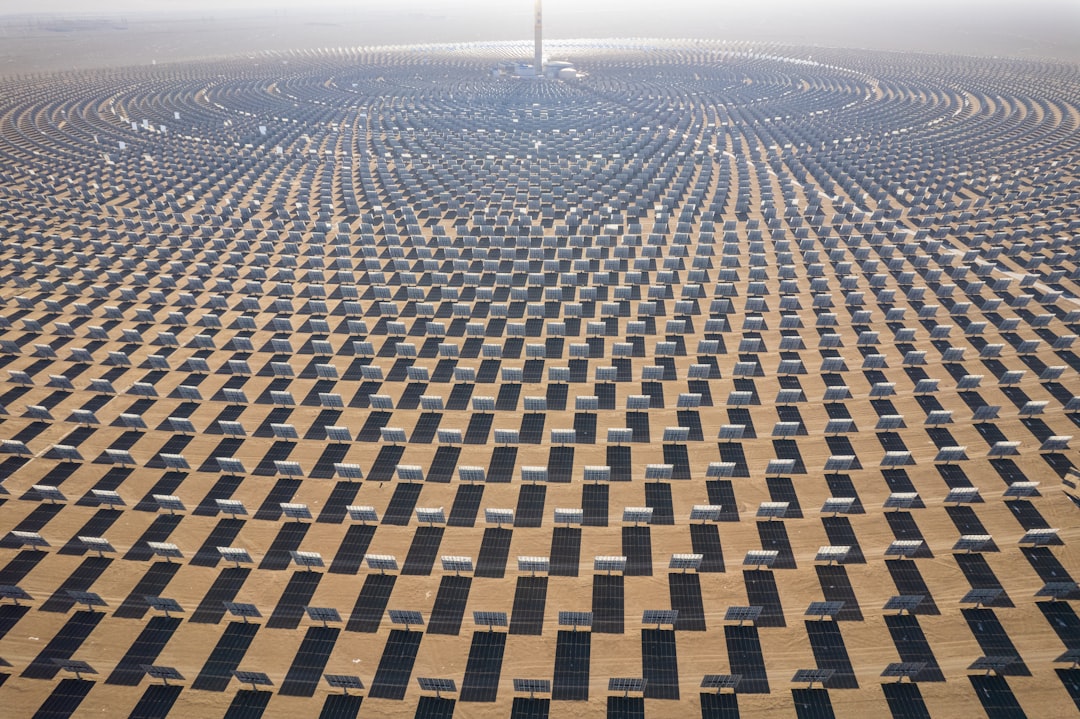
NASA is planning to power its future lunar base with a combination of solar panels and nuclear reactors, collaborating with private firms like SpaceX to deploy robotic explorers. This initiative aims to enable sustained human presence on the Moon by 2029, fostering a new space economy.
NASA is actively pursuing a dual-pronged energy strategy for its planned lunar base, focusing on both solar panels and nuclear reactors. This initiative is a critical component of broader government plans for sustained human presence and resource utilization on the Moon. In May, the agency outlined its intentions to deploy a suite of robotic explorers, including landers, drones, and rovers, to lay the groundwork for future lunar operations.
Key commercial partners in this endeavor include Intuitive Machines, Astrobotic, Blue Origin, and SpaceX. These collaborations underscore a public-private partnership model essential for complex space infrastructure projects. The overarching goal is to return U.S. astronauts to the Moon by 2029, a timeline that emphasizes the strategic importance of establishing a self-sufficient lunar outpost.
The economic implications of developing lunar energy capabilities extend beyond space exploration. Terrestrial advancements in compact nuclear fission and high-efficiency solar technology, spurred by space applications, could yield innovations applicable to remote or off-grid power solutions on Earth. Furthermore, the establishment of a lunar base could catalyze a new space economy, involving resource extraction, in-space manufacturing, and advanced research, opening new avenues for investment and technological development.
While the direct financial commitment for these energy projects is substantial, the long-term economic returns are speculative but potentially transformative, setting precedents for future interplanetary ventures and resource management.
Analyst's Take
While seemingly niche, this news signals an accelerating demand for specialized, highly durable components in extreme environments, which could quietly boost niche materials science and engineering firms. The timeline also suggests a potential bottleneck in advanced manufacturing and regulatory approvals for these cutting-edge energy systems, creating unexpected delays or cost overruns that aren't yet priced into the nascent 'space economy' sector.