MarketsMarketWatchApr 26, 2026· 2 min read
Aging in Place: Hidden Costs Challenge Retirement Financial Planning
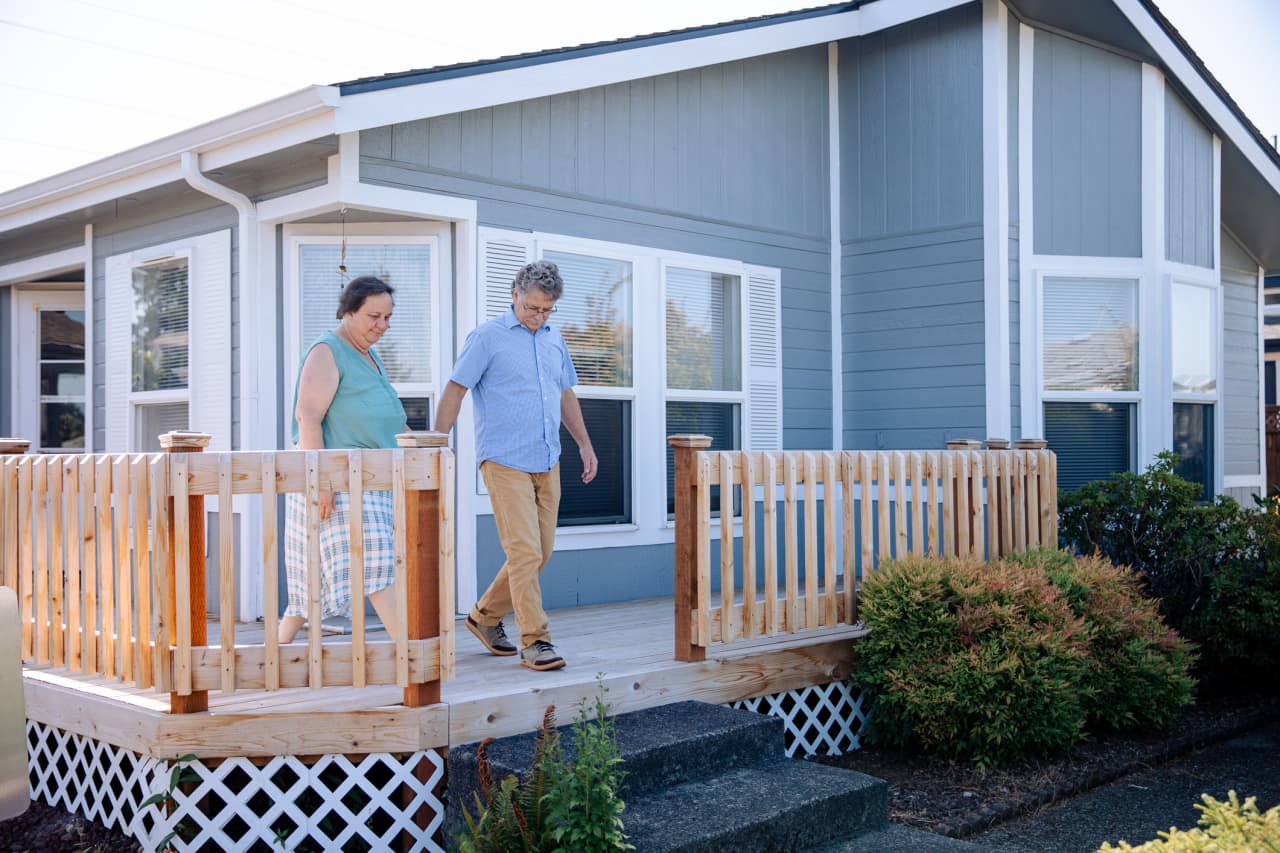
The widespread preference among retirees to age in place presents significant economic challenges due to often-underestimated 'hidden costs.' These include substantial expenses for home modifications, escalating in-home care services, and increased maintenance, which can rapidly deplete retirement savings.
A significant majority of retirees express a desire to 'age in place,' opting to remain in their current homes rather than relocate or enter assisted living facilities. While this preference often stems from emotional attachment and a desire for familiarity, recent analyses suggest potential economic pitfalls that could undermine retirement financial security. The seemingly cost-effective choice of staying home can be deceptive, as a range of 'hidden costs' frequently materialize, challenging long-term financial planning.
These overlooked expenses often include home modifications necessary for accessibility and safety, such as ramps, grab bars, widened doorways, and walk-in showers. The cumulative cost of such renovations can be substantial, depending on the scope and existing home structure. Furthermore, increased needs for in-home care, whether medical or non-medical assistance with daily living activities, represent a significant and escalating expenditure. While initial care requirements might be minimal, they tend to intensify over time, often necessitating specialized or round-the-clock support. Many retirees underestimate the long-term cost trajectory of such services, often assuming Medicare or private insurance will cover a larger portion than is actually the case.
Maintenance costs also tend to rise as homeowners age, as physical limitations may necessitate hiring professionals for tasks previously handled independently, from yard work and snow removal to minor repairs and household chores. Utilities, property taxes, and insurance premiums continue to be recurring expenses that, when combined with unexpected home repair needs, can strain fixed retirement incomes. The aggregate effect of these often-underestimated expenditures can lead to a quicker depletion of retirement savings than anticipated, forcing difficult financial decisions or compromising the desired quality of life in later years. Financial advisors are increasingly urging pre-retirees and current retirees to conduct thorough cost-benefit analyses, factoring in potential home modifications, escalating care needs, and increased maintenance expenses, before committing to an 'aging in place' strategy.
Analyst's Take
While seemingly a microeconomic issue for individual households, the cumulative effect of rising 'aging in place' costs could have a macroeconomic ripple effect, potentially increasing demand for specific sectors like home modification and in-home care services, while simultaneously diverting capital from discretionary spending. Over time, this could pressure public assistance programs if personal savings prove insufficient, especially as the baby boomer generation fully enters advanced retirement and healthcare inflation persists. The market may be overlooking the future strain on municipal tax bases as a growing number of seniors on fixed incomes seek property tax relief due to escalating home-related expenses.


