EnergyOilPrice.comJul 26, 2026· 1 min read
Argentina's Vaca Muerta Fuels Record Oil Output Amid Economic Volatility
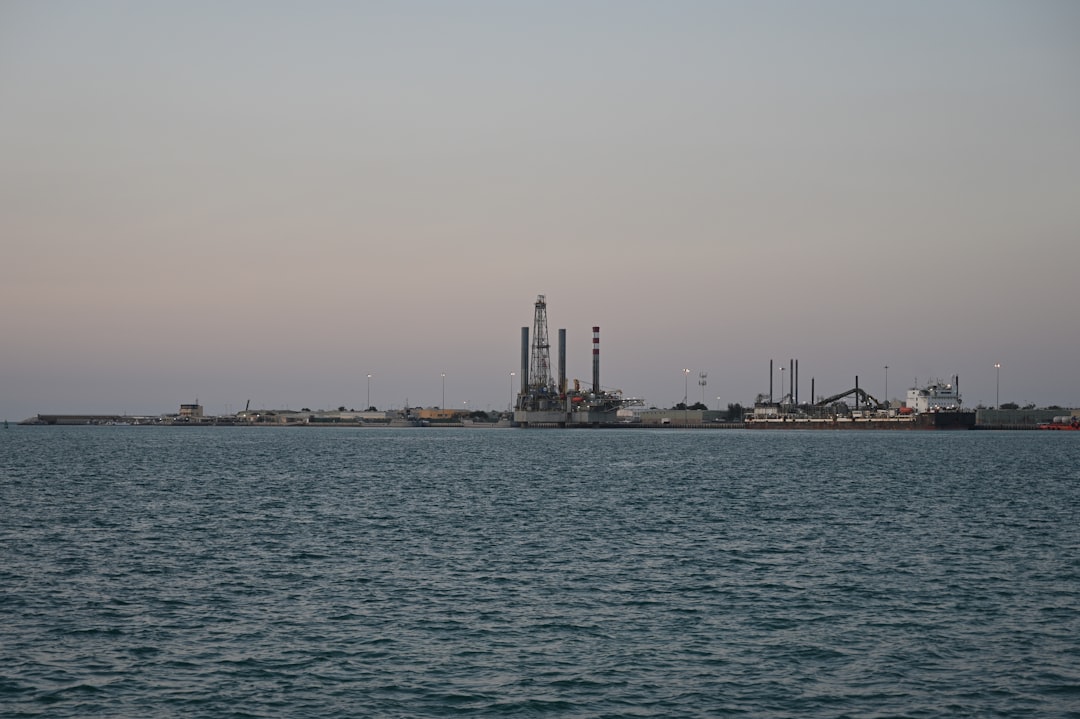
Argentina achieved record monthly oil and natural gas production in May 2026, driven by its Vaca Muerta shale formation. This energy boom offers crucial economic support to the crisis-prone nation amid global geopolitical risks and domestic financial challenges.
Argentina's Vaca Muerta shale formation continues to drive significant growth in the nation's energy sector, achieving new record monthly oil and natural gas production in May 2026. This surge in output is a critical development for the economically challenged South American country, providing a bolstered revenue stream amidst persistent domestic financial instability and heightened global geopolitical risks.
Data from the Ministry of Economy confirms the record-setting performance, underscoring the Vaca Muerta's increasing role as a national economic pillar. The consistent expansion of shale operations offers a crucial counterweight to Argentina's chronic economic vulnerabilities, including high inflation and sovereign debt challenges. Increased domestic energy production can reduce reliance on energy imports, thereby improving the nation's trade balance and conserving foreign exchange reserves.
The timing of this production boom is particularly pertinent given the current international energy landscape. Elevated global oil prices, partly driven by geopolitical tensions in regions like the Middle East, enhance the profitability of Argentine exports. This external tailwind could provide a much-needed fiscal cushion, supporting government efforts to stabilize the economy and implement structural reforms.
However, the long-term sustainability of this economic benefit remains contingent on continued investment in infrastructure and exploration within Vaca Muerta, as well as the government's ability to maintain a stable and attractive regulatory environment for energy companies. While the immediate economic gains are evident, Argentina must leverage this energy windfall strategically to address its underlying macroeconomic imbalances and secure enduring prosperity.
Analyst's Take
While current oil production boosts Argentina's immediate fiscal health, the market may be overlooking the 'Dutch Disease' risk if the government fails to diversify its economy and strategically invest the energy windfall. Persistent capital controls and an unstable macroeconomic environment could deter the long-term foreign direct investment necessary to sustain Vaca Muerta's expansion beyond short-term exploitation, potentially limiting its full economic benefit and leaving Argentina vulnerable to future commodity price volatility.