MarketsMarketWatchJun 26, 2026· 1 min read
Proposed Medicare Cap Offers Cost Relief, Poses Fiscal Challenge
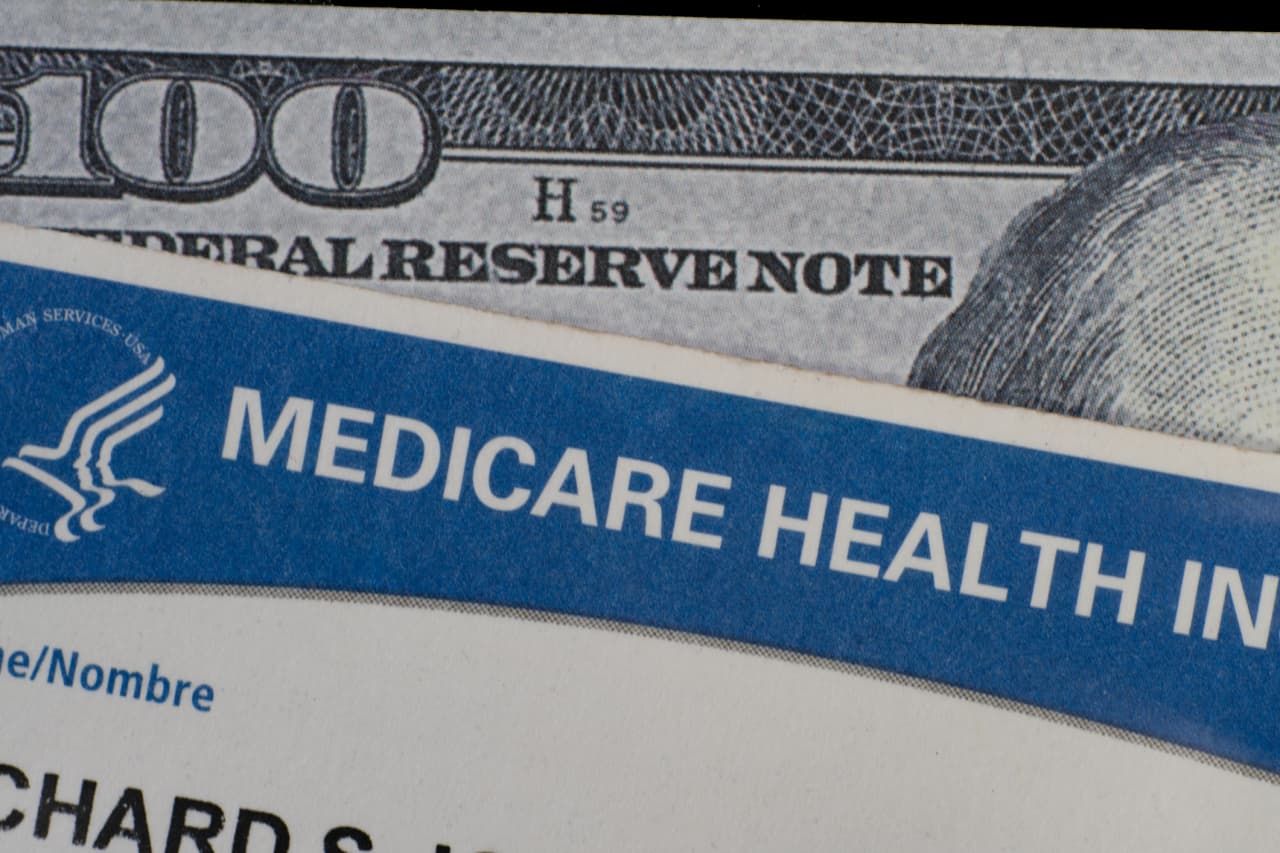
A new legislative proposal aims to cap annual out-of-pocket Medicare expenses at $5,000, offering significant cost protection to beneficiaries. This measure could cost the U.S. government 'tens of billions' of dollars annually, raising questions about fiscal sustainability and potential budget reallocations.
A new legislative proposal aims to cap annual out-of-pocket expenses for Medicare enrollees at $5,000. The initiative, while described as a 'long-shot,' seeks to provide substantial cost protection for all beneficiaries of the federal health insurance program.
Current Medicare structures lack a universal out-of-pocket maximum, leaving some enrollees vulnerable to significant medical bills, particularly those with chronic conditions or unexpected health crises. The proposed $5,000 cap would address this gap, providing a predictable ceiling on healthcare costs for millions of seniors and individuals with disabilities covered by Medicare Parts A and B, and potentially Advantage plans.
Economically, the bill represents a significant fiscal undertaking. Preliminary estimates suggest the cost to the government could amount to 'tens of billions' of dollars annually. This expenditure would likely necessitate either new revenue streams, reallocations within the federal budget, or an increase in the national debt.
The potential economic implications extend beyond direct government spending. For beneficiaries, a capped out-of-pocket expense could free up disposable income, potentially stimulating consumer spending in other sectors. Conversely, the increased government outlay could put upward pressure on taxes or lead to cuts in other federal programs. The proposal's impact on healthcare provider reimbursement rates and pharmaceutical pricing, though not explicitly detailed, would also be a critical factor in its overall economic footprint.
Analyst's Take
While seemingly a direct benefit for seniors, this proposal could subtly shift demand within the healthcare sector, potentially increasing utilization rates for discretionary procedures as the out-of-pocket barrier is removed. The real test for its fiscal impact will depend on whether it incentivizes a move towards more preventive care to avoid hitting the cap, or if it primarily acts as a safety net for those already facing high costs, with implications for healthcare provider profitability and long-term federal budgeting beyond the immediate 'tens of billions' estimate.


