MarketsMarketWatchJul 5, 2026· 1 min read
Hybrids Outpace EVs in US Auto Market Amid Shifting Consumer Preferences
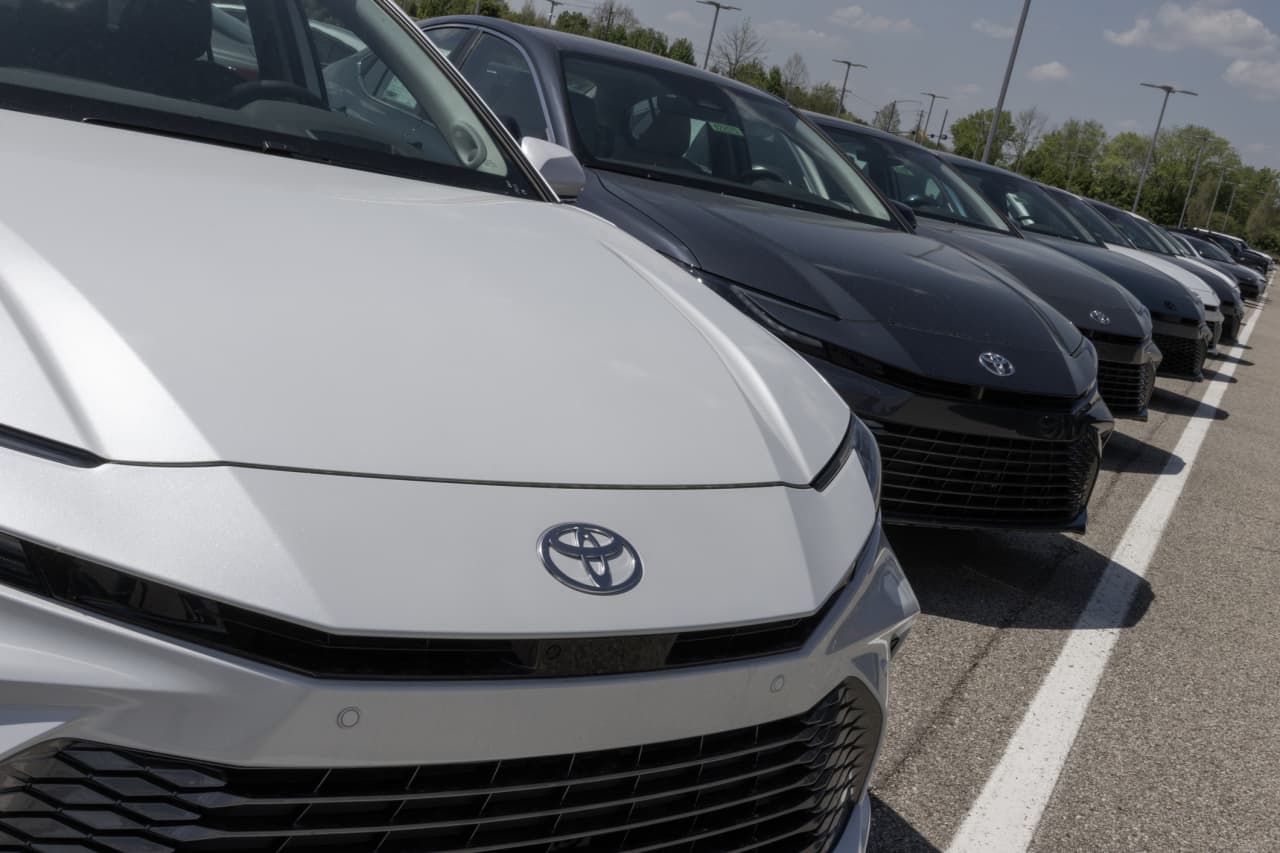
Hybrid vehicle sales are surging in the U.S. automotive market, outperforming EVs due to perceived advantages in functionality, price, and range. This trend is influencing automaker production strategies, with increased investment in hybrid models.
The U.S. automotive market is experiencing a significant shift, with hybrid vehicle sales surging while the growth rate for fully electric vehicles (EVs) decelerates. This trend suggests a re-evaluation by consumers regarding vehicle functionality, price, and range anxiety.
Hybrid vehicles, once seen primarily as an interim technology on the path to full electrification, are now proving to be a standalone market success. Their appeal stems from offering improved fuel efficiency without the need for extensive charging infrastructure or the higher upfront cost often associated with pure EVs. This cost-benefit analysis appears to be a key driver for consumers, particularly in an environment of persistent inflation and higher interest rates impacting large purchase decisions.
Automakers are responding to this evolving demand. Many manufacturers are increasing their production forecasts for hybrids, allocating resources that might have previously been earmarked for accelerating EV-only development. This strategic pivot reflects a pragmatic adjustment to current market realities rather than a complete abandonment of long-term electrification goals. The robust performance of hybrids underscores their perceived value proposition, addressing immediate consumer concerns about practicality and affordability.
The implications for the broader automotive industry are notable. Investments in battery technology and charging infrastructure, while still critical for the long term, may see a recalibration in the near to medium term. The competitive landscape is intensifying, with manufacturers vying to offer compelling hybrid options across various vehicle segments. This market dynamic highlights a consumer-driven recalibration of the transition to sustainable transportation, prioritizing immediate utility and cost-effectiveness over absolute emission reduction in the current economic climate.
Analyst's Take
The robust hybrid sales, while positive for near-term auto sector revenue, could signal a slowdown in critical battery technology investment and scale-up, potentially impacting long-term EV cost curves and raw material supply chain development. This divergence might also reflect a subtle shift in consumer confidence regarding energy infrastructure and grid stability, a signal that hasn't fully registered in broader equity markets.


