MarketsMarketWatchJun 11, 2026· 1 min read
Whey Protein Shortage Drives Price Surge Amidst Health Trend
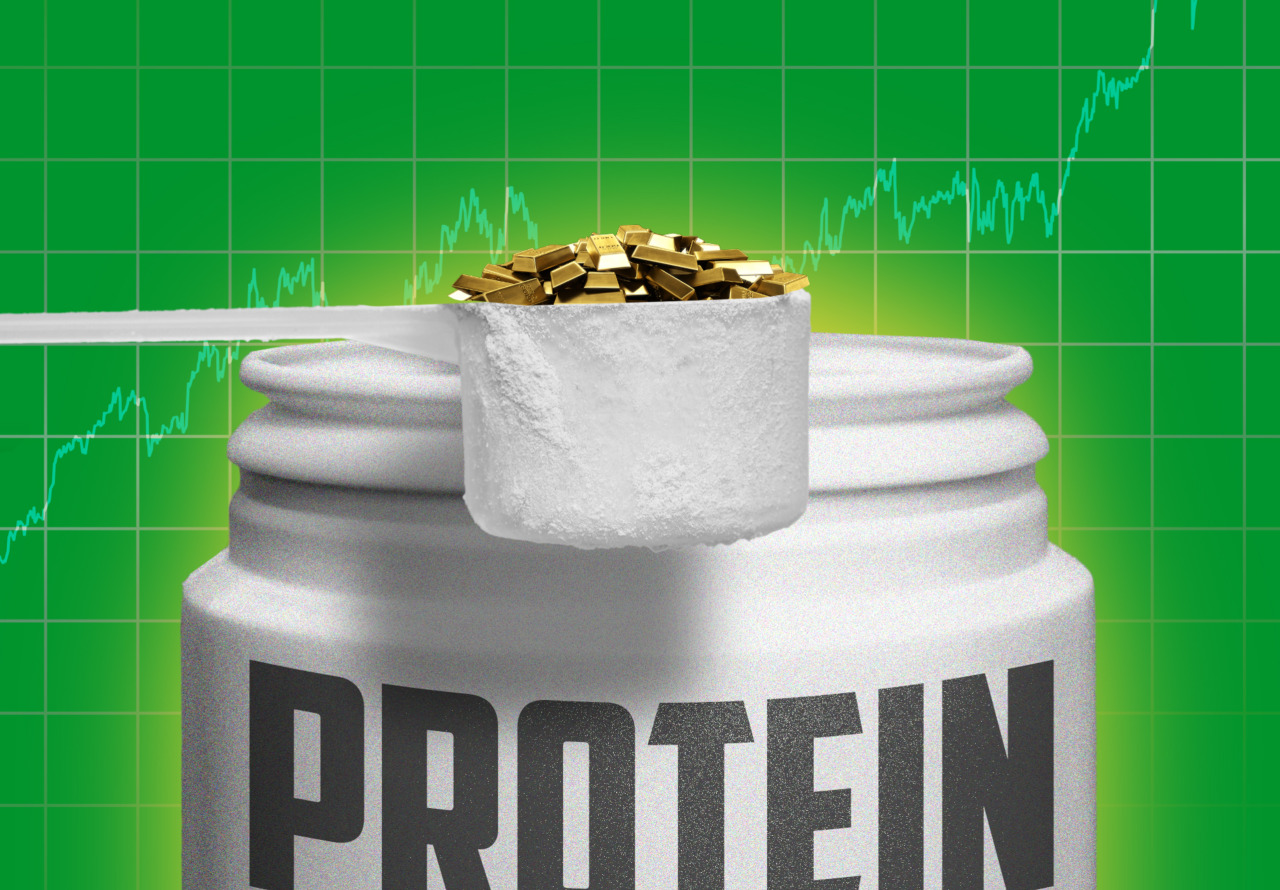
The U.S. is facing a significant shortage of high-protein whey, leading to sharp price increases. This scarcity is attributed to heightened demand from the nutrition sector, driven by general wellness trends and the rising use of GLP-1 medications.
The U.S. market is currently experiencing a significant shortage of high-protein whey, leading to substantial price increases. This scarcity is primarily driven by a surge in demand from the nutrition industry, fueled by a broader wellness trend and the growing popularity of GLP-1 (glucagon-like peptide-1) receptor agonists. These medications, often associated with weight management and metabolic health, are reportedly increasing consumer focus on protein intake, consequently boosting the market for high-protein supplements like whey.
Nutrition companies are struggling to procure sufficient quantities of whey, a byproduct of cheese production, which has historically been a more niche supplement ingredient. The unexpected acceleration in demand has outstripped existing supply capabilities, pushing wholesale prices to unprecedented levels. This situation presents a challenge for manufacturers of protein powders, bars, and other fortified food products, as their input costs rise, potentially impacting profit margins or leading to higher retail prices for consumers.
The supply chain for whey protein is complex, relying on dairy production and processing capacity. While dairy output generally remains robust, the specific fractionation and purification processes required to produce high-quality whey protein concentrate and isolate are specialized. The rapid increase in demand has not been matched by a proportional expansion in this specialized processing capacity, creating a bottleneck. Economically, this reflects a classic supply-demand imbalance, with limited elasticity on the supply side in the short to medium term. The duration of this price volatility will depend on the industry's ability to scale up processing capabilities and the sustained intensity of the underlying demand drivers.
Analyst's Take
While the immediate impact is on input costs for nutrition companies, sustained high whey prices could incentivize dairy processors to invest in specialized protein extraction facilities, potentially shifting dairy commodity value chains over the next 12-18 months. This could signal a broader protein-focused pivot within the agricultural sector, eventually impacting feed costs and land use if demand for high-protein byproducts continues to outpace traditional dairy product consumption.


