MarketsMarketWatchJun 14, 2026· 1 min read
US-Iran Peace Deal Spurs Market Relief, Oil Prices Drop
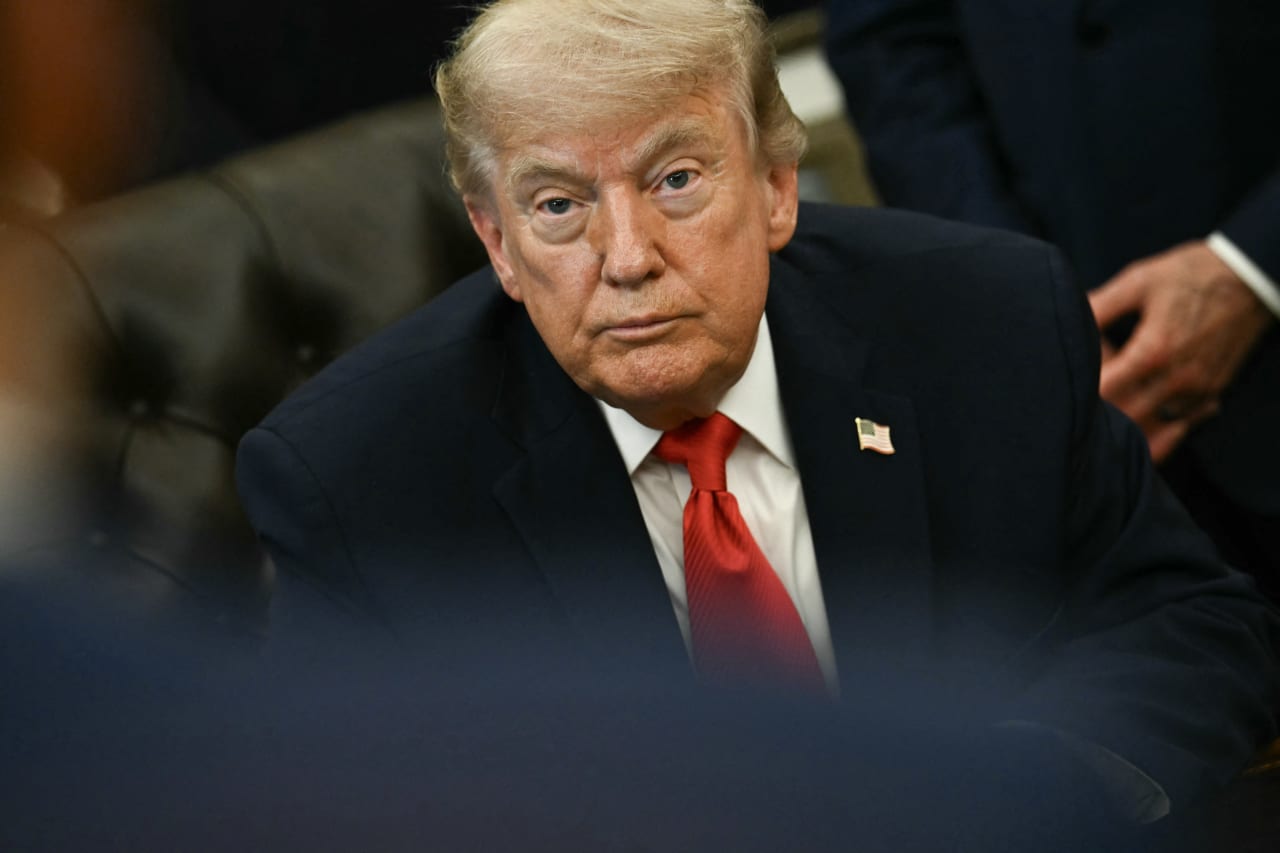
U.S. stock futures rose and oil prices fell following President Trump's announcement of a peace deal with Iran, signaling an end to months of hostilities. This development aims to alleviate geopolitical tensions that previously caused an 'oil shock' and threatened the Strait of Hormuz.
U.S. stock index futures saw a significant uptick, while global oil prices experienced a notable decline on Sunday, following President Donald Trump's announcement of a peace deal between the United States and Iran. This development appears to de-escalate months of heightened geopolitical tensions, which had previously threatened global energy supplies and economic stability.
The cessation of hostilities is expected to alleviate concerns surrounding the Strait of Hormuz, a critical chokepoint for global oil shipments. Earlier escalations in the region had triggered an 'oil shock,' characterized by sharp price increases and supply uncertainty, impacting various sectors of the global economy through higher energy costs and disrupted trade routes.
The immediate market reaction reflects investor relief over the reduced geopolitical risk premium. Lower oil prices could translate into reduced input costs for businesses and potentially ease inflationary pressures, offering a mild stimulus to consumer spending in energy-importing nations. Conversely, oil-producing nations and companies may face revenue reductions.
While the details of the 'peace deal' remain to be fully disclosed, the market's initial response underscores the sensitivity of global financial assets to geopolitical stability in critical energy-producing regions. The agreement, if sustained, could foster a more predictable environment for international trade and investment, potentially supporting broader economic recovery efforts globally.
Analyst's Take
While the immediate market reaction signals relief, the sustained economic impact hinges on the durability and specifics of this 'peace deal,' particularly regarding oil production quotas and sanctions relief. A potential influx of Iranian crude could further pressure oil prices, challenging OPEC+ solidarity and impacting the fiscal stability of other oil-dependent economies. The bond market's reaction, especially to inflation expectations, will be a key indicator of whether this geopolitical thaw is seen as a long-term disinflationary force or merely a temporary reprieve.


