EnergyOilPrice.comJun 19, 2026· 1 min read
Lunar Helium-3 Mining Faces Insurmountable Terrestrial Cost Advantage
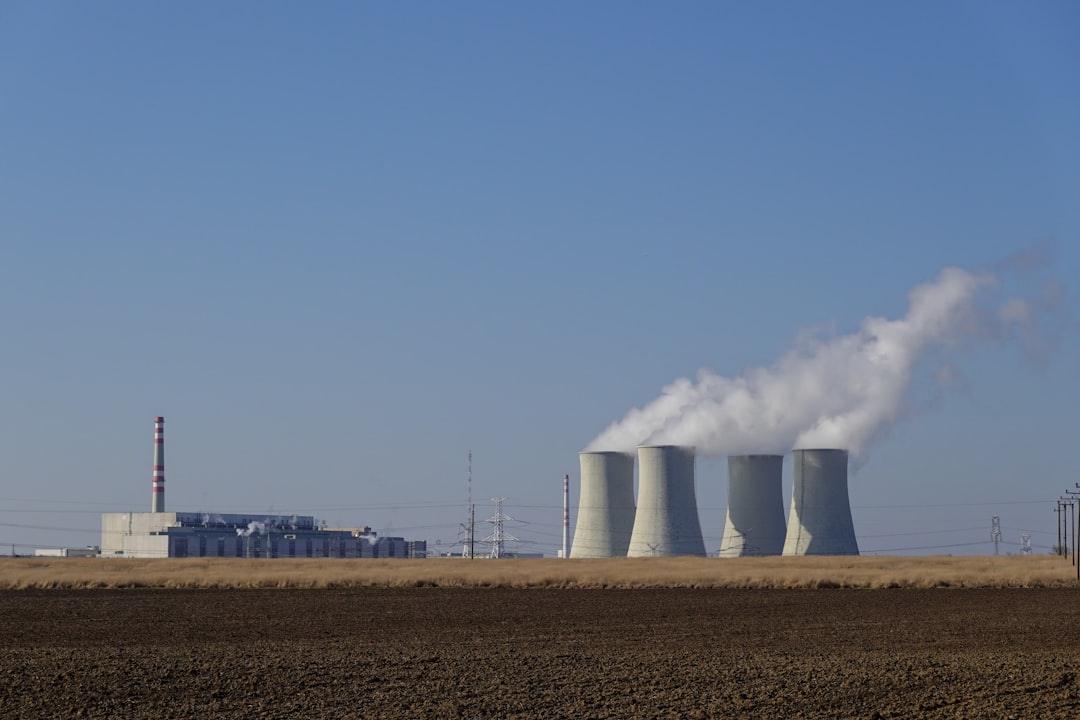
Lunar Helium-3 mining is currently economically uncompetitive due to significantly higher costs compared to Earth-based extraction from tritium decay and natural gas wells. Terrestrial sources remain far easier and cheaper to access, hindering the development of a commercial lunar He-3 industry.
The economic viability of lunar Helium-3 (He-3) mining remains severely constrained by the significantly lower costs associated with terrestrial He-3 extraction. Despite ongoing research into extraterrestrial resource utilization, current Earth-based sources, primarily from tritium decay and natural gas wells, present a far more accessible and cost-effective supply, according to an analysis by Visual Capitalist in partnership with Pulsar Helium.
The substantial cost disparity between lunar and terrestrial He-3 sources is a critical impediment to the development of a space-based He-3 industry. The intricate process of extracting He-3 from lunar regolith, coupled with the immense logistical challenges and capital expenditures required for space operations, places lunar mining at a significant disadvantage when compared to established Earth-based methods.
This economic reality highlights the substantial technological and infrastructural advancements still needed before lunar He-3 can become a commercially competitive fuel source for future fusion power applications. While the long-term potential of lunar He-3 for clean energy remains a compelling prospect, the current financial landscape dictates a continued reliance on terrestrial sources. The analysis underscores that scalability and accessibility metrics overwhelmingly favor Earth-based He-3 production for the foreseeable future, anchoring the economic viability of He-3 to existing terrestrial supply chains rather than speculative lunar ventures.
Analyst's Take
The continued cost dominance of terrestrial Helium-3 sources subtly indicates that significant private investment in lunar resource extraction remains distant, likely correlating with a delayed timeline for widespread fusion power commercialization. Until a transformative breakthrough drastically reduces space-based operational costs or a global energy crisis drives demand beyond terrestrial supply, the market is effectively signaling that 'space mining' as a near-term economic reality for bulk commodities is still decades away, affecting long-term capital allocation in speculative space ventures.