MacroBBC BusinessJul 13, 2026· 1 min read
Volkswagen's Global Job Cuts Signal Broader Auto Sector Pressures
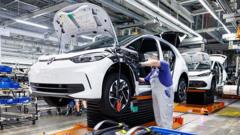
Volkswagen Group is reportedly planning to cut up to 100,000 jobs globally, a response to declining profits and intense competition from Chinese manufacturers. This move highlights significant structural pressures facing the traditional automotive industry amidst a costly transition to electric vehicles.
Volkswagen Group, encompassing brands like Porsche and Audi, is reportedly planning to cut up to 100,000 jobs globally. This significant workforce reduction is attributed to a steep decline in profitability and intensifying competition, particularly from Chinese manufacturers. While specific timelines and locations for these cuts have not been fully disclosed, the move underscores the profound structural shifts underway within the automotive industry.
The German automotive giant has been navigating a challenging market environment marked by slowing demand in key regions, elevated input costs, and substantial investments required for the transition to electric vehicles (EVs). The competitive landscape, particularly in the critical Chinese market, has seen domestic players gain significant traction, eroding market share and profitability for established international brands.
Such extensive job cuts, if fully implemented, would represent a substantial restructuring effort by Volkswagen. Economically, this implies a potential reduction in consumer spending power in regions heavily reliant on Volkswagen employment, as well as a likely impact on local economies through reduced tax contributions and ancillary business activity. For the broader automotive sector, Volkswagen's strategic pivot signals increased pressure on legacy automakers to streamline operations, enhance efficiency, and accelerate their EV strategies in response to market dynamics and regulatory pressures. The long-term implications include potential shifts in manufacturing footprints and supply chains as companies seek cost efficiencies and adapt to new technological requirements.
Analyst's Take
While immediately impacting employment and regional economies, these cuts signal a looming capital reallocation within the auto sector from ICE development to EV scaling. This could trigger further consolidation or strategic partnerships among suppliers, as traditional component demand shrinks while new EV-specific components surge, creating both distress and opportunity that financial markets may not yet fully distinguish.

