MarketsMarketWatchJul 12, 2026· 1 min read
Oil Prices Climb, Equities Dip Amid US-Iran Strait of Hormuz Tensions
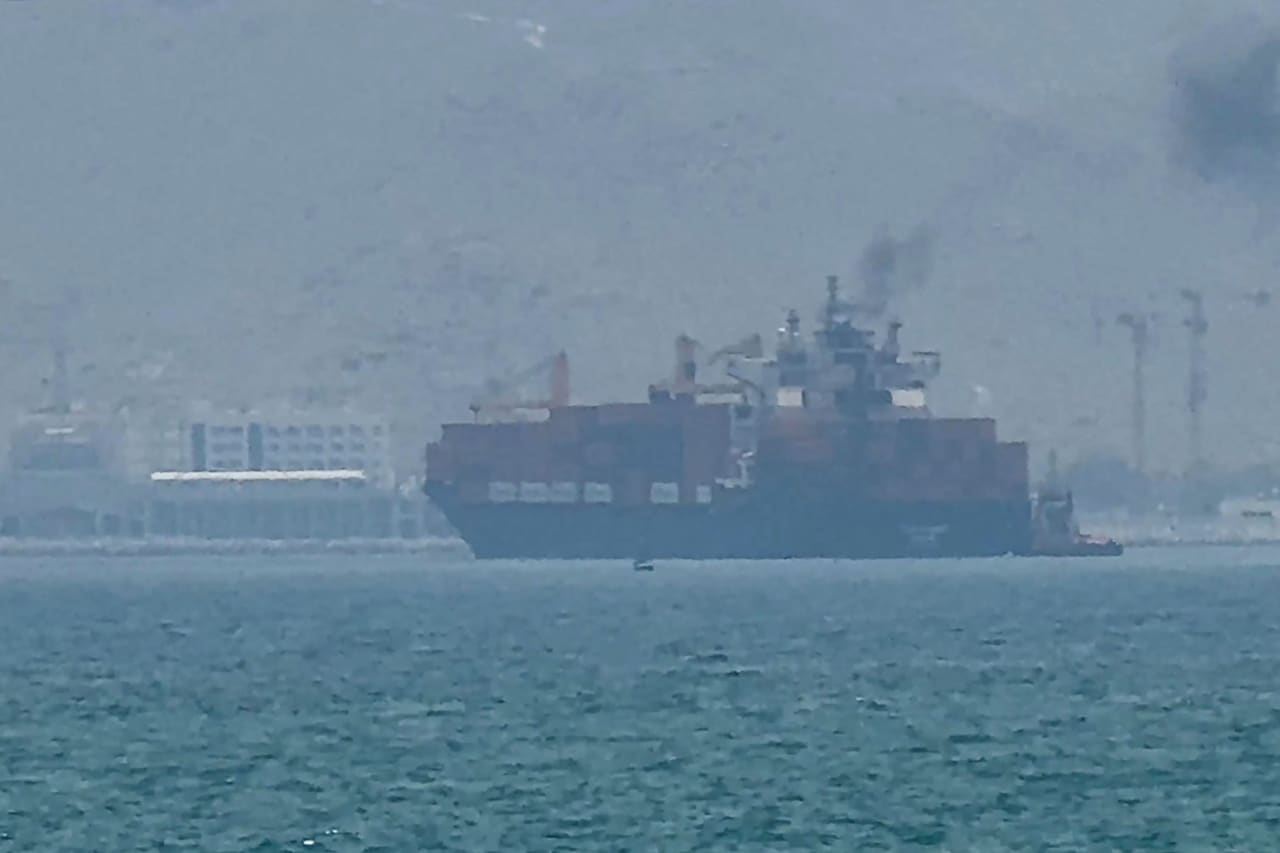
Oil prices rose and U.S. stock futures dipped following renewed military exchanges between the U.S. and Iran around the Strait of Hormuz. This geopolitical tension highlights the vulnerability of global energy supplies and acts as an inflationary pressure.
Global oil prices saw an uptick and U.S. stock index futures experienced a slight decline on Sunday, following renewed military exchanges between the United States and Iran near the Strait of Hormuz over the weekend. The latest flare-up of hostilities underscores persistent geopolitical instability in a region critical for global energy supply. This situation immediately impacts crude benchmarks like West Texas Intermediate (WTI) and Brent, which often react sharply to any perceived threat to shipping lanes.
The Strait of Hormuz is a narrow waterway through which approximately one-fifth of the world's total oil consumption passes daily, making it a pivotal chokepoint for international energy markets. Any disruption or heightened risk perception in this area typically translates to higher insurance premiums for tankers, increased shipping costs, and a general tightening of oil supply sentiment. While the immediate price increases were modest, they reflect the market's sensitivity to supply chain vulnerabilities.
The economic implications extend beyond direct energy costs. Elevated oil prices can act as an inflationary pressure, impacting consumer spending and corporate input costs across various sectors, from transportation to manufacturing. For central banks, sustained higher energy prices could complicate monetary policy decisions, potentially limiting room for interest rate adjustments if inflation targets are already under pressure. Furthermore, increased geopolitical risk tends to foster a 'risk-off' sentiment in broader financial markets, leading investors to reallocate from equities to safer assets like government bonds or gold, as evidenced by the dip in stock futures.
While the current escalation has not yet led to significant physical supply disruptions, the market is pricing in the potential for future interruptions. The ongoing tensions highlight the fragility of global supply chains and the immediate economic ramifications of geopolitical events, particularly in energy-rich regions.
Analyst's Take
The immediate oil price reaction, while modest, signals a persistent geopolitical risk premium rather than an imminent supply shock. However, sustained tension could accelerate strategic shifts towards energy independence and diversification, impacting long-term LNG and renewable energy investment trajectories, potentially creating a lagging divergence between traditional energy sector valuations and broader market sentiment regarding energy transition.


