MacroBBC BusinessJul 17, 2026· 1 min read
British Steel Nationalized Amidst Persistent Operational Challenges
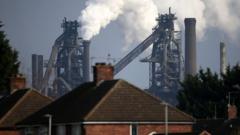
The UK government has nationalized British Steel, its last producer of virgin steel, following years of financial uncertainty and a failed private takeover bid. This action secures direct employment and maintains domestic steel production capacity, but transfers significant operational and investment liabilities to the taxpayer.
The UK government has nationalized British Steel, the country's last producer of virgin steel. This intervention follows years of financial instability and a failed sale process, marking a significant move for a strategic industrial asset.
The Scunthorpe-based steelworks, a cornerstone of the UK's industrial base, has faced protracted operational challenges and intense competition. Its previous owner, Greybull Capital, acquired the business in 2016 but struggled to secure its long-term viability despite government support and a critical £300 million loan guarantee offer in 2019 to aid a prospective takeover by China's Jingye Group. That deal ultimately collapsed due to unresolved pension liabilities and other commercial terms.
The nationalization aims to safeguard thousands of direct jobs and many more across the supply chain, particularly in the Teesside and Humberside regions. Economically, the move prevents the complete loss of domestic virgin steel production capacity, which is crucial for various sectors, including defense, infrastructure, and automotive. However, it also places a substantial financial burden on the public purse, with taxpayers now underwriting the operational costs and future investments required to modernize the plant and address environmental regulations.
The long-term strategy for British Steel under public ownership remains unclear, with options ranging from continued state operation to a renewed search for a private buyer. The government's immediate focus is on stabilizing operations and assessing the necessary capital expenditure to ensure the plant's competitiveness and adherence to decarbonization targets. This development underscores the broader challenges facing heavy industries in developed economies, including high energy costs, international competition, and the imperative for green transition.
Analyst's Take
While the nationalization averts immediate job losses and preserves a strategic industrial asset, the long-term fiscal implications extend beyond direct operational costs. The move signals increasing government willingness to intervene in 'too big to fail' industrial sectors, potentially setting a precedent for other struggling legacy industries facing decarbonization and global competition pressures. This could subtly influence bond market sentiment towards UK industrial debt, particularly for companies perceived as having systemic importance.

