MacroBBC BusinessJun 2, 2026· 1 min read
Bank of England Seeks Public Input for Future Banknote Animal Imagery
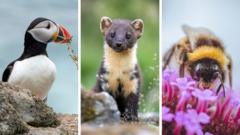
The Bank of England is engaging the public to select animal imagery for future banknotes, with 18 creatures shortlisted. This process, a routine central bank function, involves minor operational costs for new print designs and aims to refresh currency while integrating enhanced security features.
The Bank of England has launched a public consultation to determine the animal imagery that will adorn future banknotes. A shortlist of 18 creatures, including the puffin and bumblebee, has been presented for public consideration. This initiative follows a broader trend among central banks globally to periodically refresh currency designs, often incorporating elements that reflect national identity, culture, or environmental values.
While primarily a public engagement exercise, such design changes can have minor economic implications. The retooling of printing presses and distribution networks for new banknote series represents a non-recurring operational cost for the central bank. Furthermore, new designs can sometimes trigger renewed public interest in collecting, potentially leading to a marginal, temporary increase in currency held outside active circulation. However, the overall impact on monetary aggregates and velocity of money is typically negligible.
From a macroeconomic perspective, the introduction of new banknote designs is a routine function of a central bank, aimed at maintaining currency integrity and public trust. It also serves as an opportunity to integrate enhanced security features, combating counterfeiting and safeguarding the financial system. The chosen animals will likely feature on denominations introduced as existing notes are naturally phased out due to wear and tear, a process that can span several years. This gradual rollout minimizes disruption to daily commerce and financial transactions, ensuring a smooth transition for businesses and consumers.
Analyst's Take
While seemingly a cultural exercise, the choice of animal could subtly influence public perception of ecological priorities, potentially aligning future government messaging on biodiversity and environmental policy. A widespread public preference for native species might signal a nascent consumer demand for 'green' investments or sustainably sourced goods, an early indicator that markets could later incorporate into ESG frameworks. This isn't about immediate market impact, but rather a soft power play that could resonate with long-term societal values.

