MarketsMarketWatchJun 26, 2026· 1 min read
US Dollar Defies Peace Deal, Maintains Strength Amid Global Shifts
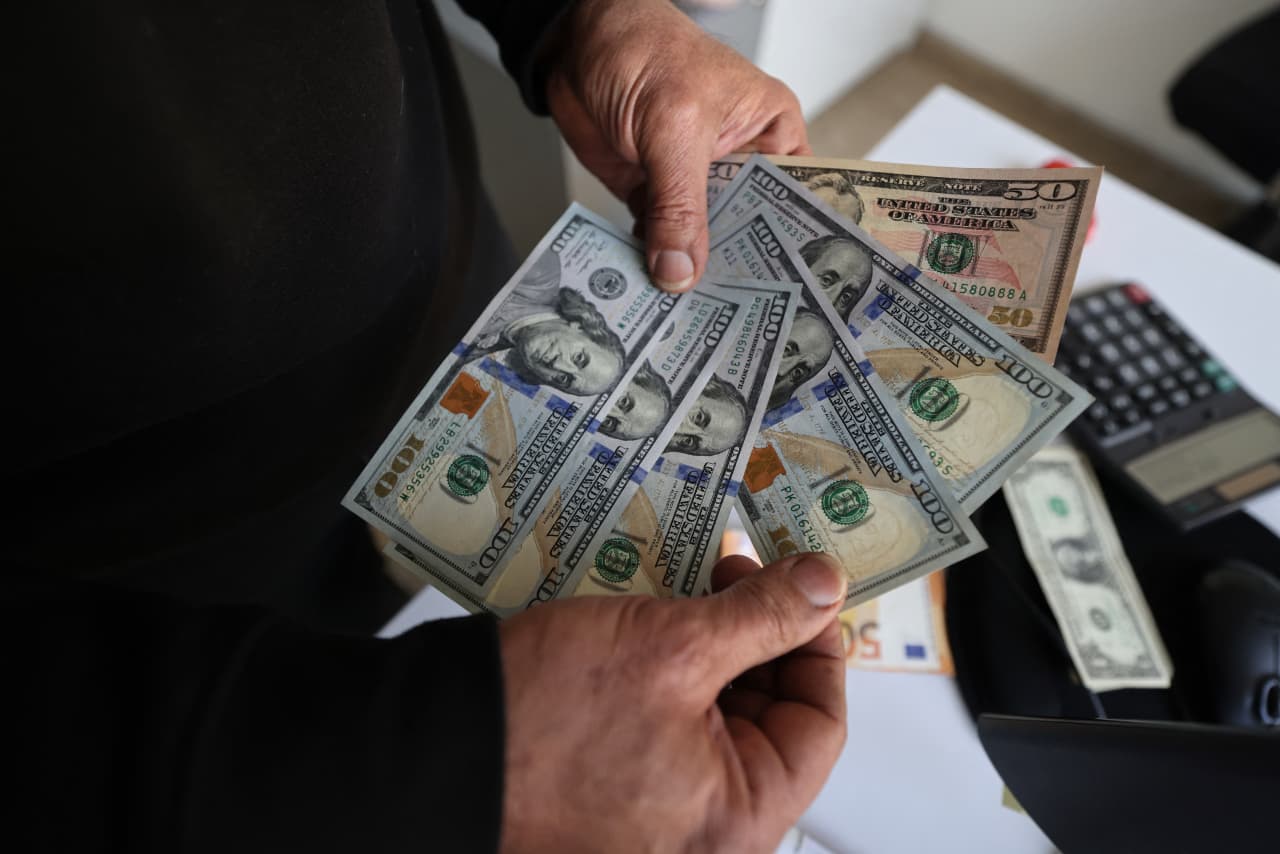
The U.S. dollar has unexpectedly maintained its strength, nearing year-to-date highs, despite the recent peace agreement ending the Gulf War. This resilience suggests factors beyond geopolitical risk, such as U.S. economic fundamentals and investment flows, are underpinning its value.
Despite the signing of a peace agreement concluding the Gulf War, the U.S. dollar has demonstrated unexpected resilience, maintaining its position near year-to-date highs. Conventional wisdom suggested that the dollar's 'flight-to-safety' premium, typically associated with geopolitical instability, would diminish following the cessation of hostilities.
However, the currency's sustained strength indicates that other fundamental factors are outweighing the unwinding of war-related risk aversion. Global investors appear to be prioritizing elements such as robust U.S. economic growth prospects, relatively higher U.S. interest rates compared to other major economies, and the dollar's ongoing role as a global reserve currency and safe-haven asset. Furthermore, capital flows into U.S. equity markets and treasury securities may be contributing to persistent dollar demand.
The dollar's upward trajectory suggests that while a significant geopolitical risk has subsided, a broader reassessment of global economic stability and investment opportunities is underway. This strength has implications for international trade, commodity prices, and corporate earnings for U.S. multinational companies, potentially making American exports more expensive and impacting foreign currency translation for firms with significant overseas operations. Conversely, it lowers the cost of imports for U.S. consumers and businesses.
The market's current positioning indicates a divergence from the anticipated post-conflict currency dynamic, highlighting the multifaceted drivers of exchange rates beyond immediate geopolitical events. This ongoing strength will likely influence central bank policy considerations globally as countries assess competitive export environments and manage inflation.
Analyst's Take
The dollar's sustained strength post-Gulf War peace deal hints at an overlooked underlying global capital reallocation, driven by perceived U.S. economic outperformance relative to its developed market peers. This divergence could signal a nascent 'growth premium' for U.S. assets that the market is still consolidating, potentially leading to increased pressure on emerging market currencies and commodity prices in the medium term, even as equity markets digest reduced geopolitical risk.


