MacroBBC BusinessJul 28, 2026· 1 min read
UK Rail Overcrowding Eases Marginally Amid Capacity Boost
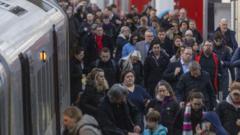
Train overcrowding in England and Wales saw a slight reduction last year, attributed to increased capacity from government investment. However, specific commuter routes, particularly into major cities, continue to experience severe congestion.
Official data indicates a marginal reduction in train overcrowding across England and Wales over the past year. The Department for Transport reported that while certain routes remain significantly congested, overall passenger numbers experiencing standing room only during peak times have slightly decreased. This improvement is primarily attributed to targeted investments in increasing rail capacity, including longer trains and more frequent services on some key commuter lines.
Despite the overall decline, the report highlighted specific routes that continue to suffer from severe overcrowding. These include services into major urban centers, particularly London, during morning and evening rush hours. The persistent congestion on these specific routes underscores the challenges in matching infrastructure development with sustained population growth and urbanisation patterns.
Economic implications of persistent overcrowding include potential productivity losses due to fatigued commuters and disincentives for individuals to take up employment opportunities requiring travel on these lines. Conversely, the modest improvement, even if slight, suggests that government and rail operator investments are beginning to yield results in mitigating some of the most pressing capacity constraints. Further investment in rolling stock and network upgrades is anticipated as part of ongoing national infrastructure strategies, aiming to alleviate pressure on the busiest corridors and enhance the overall commuter experience. The data also implicitly signals the ongoing demand for public transport services, despite post-pandemic shifts in working patterns.
Analyst's Take
While overall overcrowding declined, persistent congestion on specific routes suggests inelastic demand for prime commuter services, likely contributing to localized real estate premiums near less-congested stations. The delayed full return to office work may have masked the true extent of these capacity issues, implying future pressure as economic activity normalizes and potentially leading to higher fare elasticities for peak services.

