EnergyOilPrice.comJun 1, 2026· 1 min read
Middle East Conflict Rattles Global Commodity Markets
The Middle East conflict is generating multi-commodity supply shocks, profoundly affecting global energy, petrochemicals, agriculture, and shipping through Strait of Hormuz disruptions and damage to key infrastructure like Qatar's LNG facilities. Repair estimates of up to five years for damaged LNG facilities indicate prolonged supply constraints and upward pressure on commodity prices and shipping costs.
The ongoing conflict in the Middle East is exerting significant pressure across multiple global commodity markets, particularly impacting energy, petrochemicals, agriculture, and shipping sectors. The primary choke point, the Strait of Hormuz, responsible for approximately 27% of global maritime oil trade, has experienced considerable disruption. This has led to acute supply shortages and placed substantial operational strain on critical energy infrastructure within the Gulf region.
Damage to liquefied natural gas (LNG) facilities in Qatar, a major global supplier, highlights the long-term economic repercussions. Estimates suggest repairs to these facilities could extend for up to five years, signaling a prolonged period of reduced supply capacity from a key producer. Such a prolonged outage could recalibrate global LNG pricing dynamics and force importing nations to seek alternative, potentially more expensive, sources.
Beyond direct energy commodities, the ripple effects extend to petrochemical feedstocks, as disruptions to crude oil and natural gas flows impact their availability and pricing. Agricultural commodity prices may also face upward pressure due to increased shipping costs and potential logistical bottlenecks in the region, disrupting established trade routes and supply chains. The shipping industry itself is bearing the brunt of heightened insurance premiums, rerouting efforts, and increased operational complexities, ultimately translating into higher freight rates across various goods.
While de-escalation efforts are reportedly underway, the structural damage to infrastructure and the sustained geopolitical uncertainty suggest that the multi-commodity supply shocks will persist, challenging global economic stability and inflationary pressures.
Analyst's Take
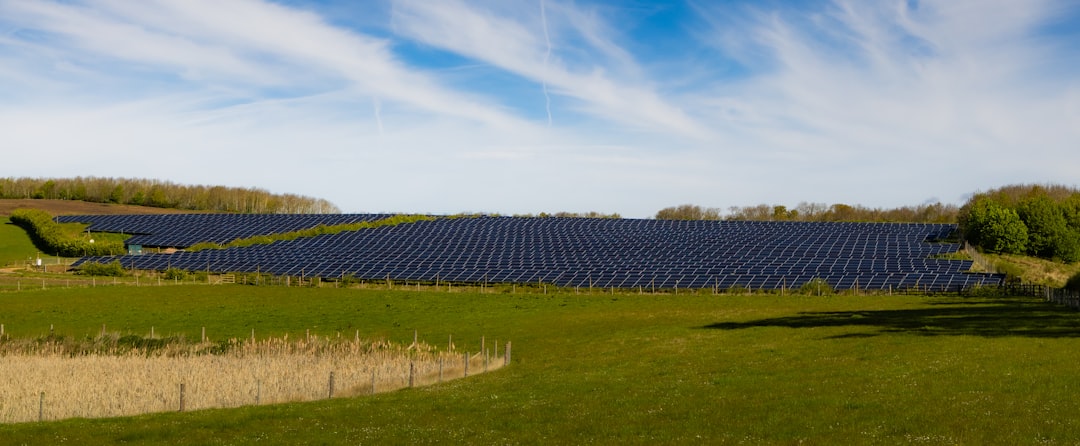
The long-term repair timeline for Qatar's LNG facilities, while significant for energy markets, will likely also amplify green energy investment incentives for energy-importing nations seeking supply resilience. This prolonged disruption could accelerate sovereign and corporate strategies to diversify energy sources, potentially leading to a faster-than-anticipated shift in capital allocation towards renewables, even as near-term fossil fuel prices rise.