MarketsMarketWatchApr 21, 2026· 1 min read
Airlines Cut Capacity as Fuel Surges, Signaling Unpriced Economic Fallout
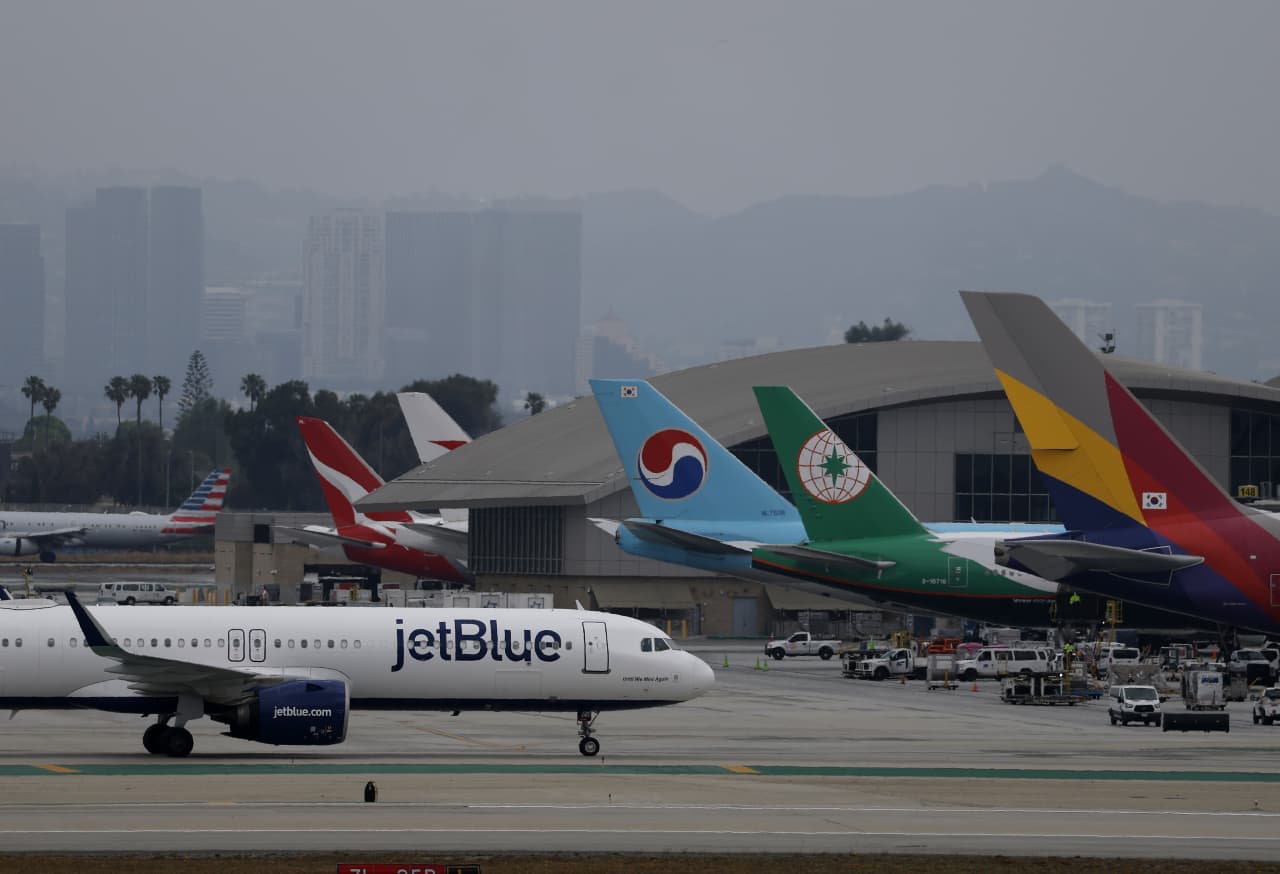
Global airlines are reducing flight schedules and capacity due to surging jet fuel prices, a direct consequence of escalating geopolitical tensions. This leads to fewer travel options and higher fares for consumers, with potential for broader inflationary pressure and market underestimation of its full economic impact.
Airlines globally are trimming flight schedules and reducing capacity in response to a sharp surge in jet fuel prices, a direct economic fallout from escalating geopolitical tensions, particularly those stemming from the Iran war. This development signals a potentially underestimated impact on both the travel sector and broader economic stability.
Jet fuel represents a significant operating expense for airlines. When its cost escalates rapidly, profit margins are severely squeezed, making certain routes unprofitable. Consequently, carriers are forced to rationalize their networks, prioritizing high-demand, high-yield routes and discontinuing less viable options. This strategic adjustment in supply aims to mitigate financial losses from elevated input costs.
For consumers, the immediate economic implications are clear: a reduction in available seat miles translates directly into fewer route options and diminished connectivity. Coupled with the reduced supply, airlines are increasingly passing these higher fuel costs onto travelers through elevated airfares. This dynamic reflects basic supply-demand principles, where a constrained supply amid persistent demand drives up pricing.
Beyond the direct impact on travelers, the ripple effects extend to the broader economy. Sustained high fuel prices and reduced airline capacity can dampen business travel and tourism, affecting ancillary industries. Moreover, the upward pressure on airfares contributes to inflationary trends, adding to the cost of living and potentially impacting discretionary spending. Financial markets, according to some analyses, may not yet fully account for the long-term economic consequences of this sustained increase in a critical transportation input.


