EnergyOilPrice.comJul 11, 2026· 1 min read
Europe's Cooling Conundrum: Soaring AC Demand Threatens Green Transition
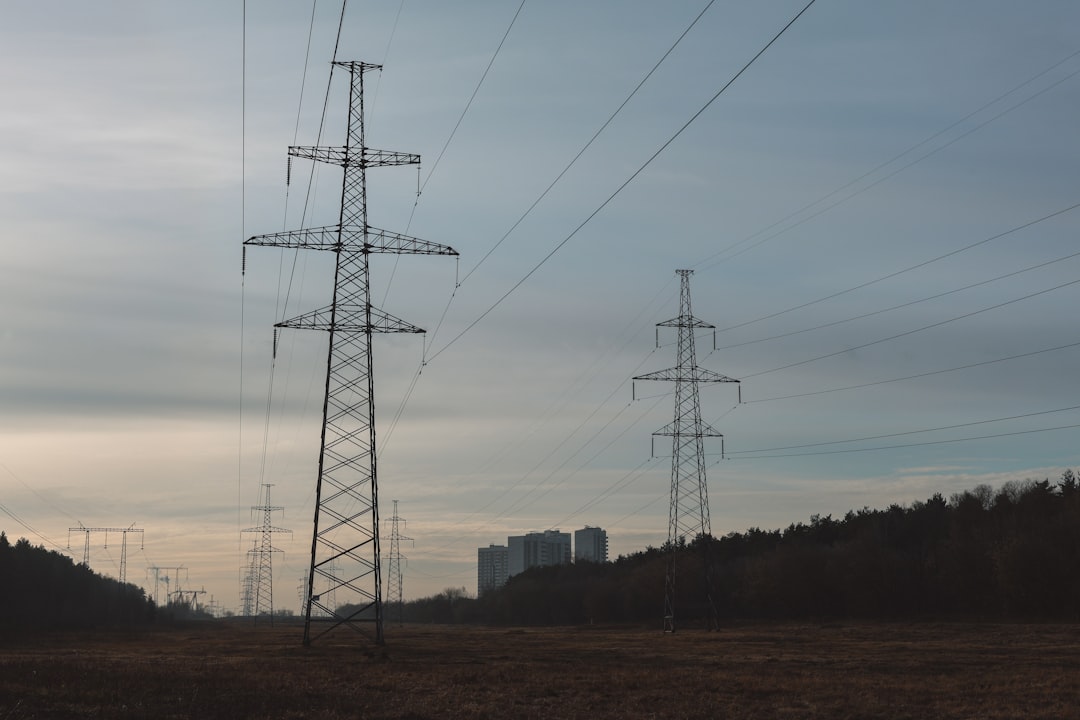
Europe is witnessing a rapid increase in air conditioning adoption due to more frequent heatwaves, escalating energy demand and complicating the region's green transition efforts. This surge threatens to undermine decarbonization targets, prompting research into less carbon-intensive cooling alternatives.
Europe is experiencing a surge in air conditioning (AC) adoption, driven by increasingly frequent and intense heatwaves. This trend poses a significant challenge to the region's ambitious decarbonization targets and its transition away from fossil fuels. The heightened demand for cooling systems directly translates into increased electricity consumption, often sourced from carbon-intensive power generation during peak demand periods.
Countries across Europe have committed to aggressive green transition pledges aimed at substantial reductions in greenhouse gas emissions and a greater reliance on renewable energy sources. However, the escalating energy load from AC units is counteracting these efforts, creating a dilemma for policymakers and energy providers. The International Energy Agency (IEA) has previously highlighted the significant impact of rising cooling demand on global energy systems, projecting it to be one of the primary drivers of electricity consumption growth.
In response to this growing conflict between climate adaptation and mitigation, governments, corporations, and research institutions across Europe are actively investigating less carbon-intensive cooling alternatives. These initiatives seek to develop and deploy innovative solutions that can mitigate the environmental footprint associated with mechanical cooling, ensuring that the region can adapt to a warming climate without compromising its long-term climate objectives. The success of these alternative cooling methods will be critical in determining Europe's ability to navigate its dual challenges of climate resilience and energy transition.
Analyst's Take
The escalating AC demand in Europe, while seemingly an immediate consumer response, signals a broader structural shift in energy consumption patterns that will likely strain grid infrastructure and expose vulnerabilities in peak load management much sooner than anticipated. This could accelerate investment in smart grid technologies and utility-scale battery storage, rather than just renewables, as reliability during heatwaves becomes paramount.