MarketsMarketWatchJun 9, 2026· 1 min read
Global Oil Prices Stabilize Despite Geopolitical Tensions, But Long-Term Outlook Uncertain
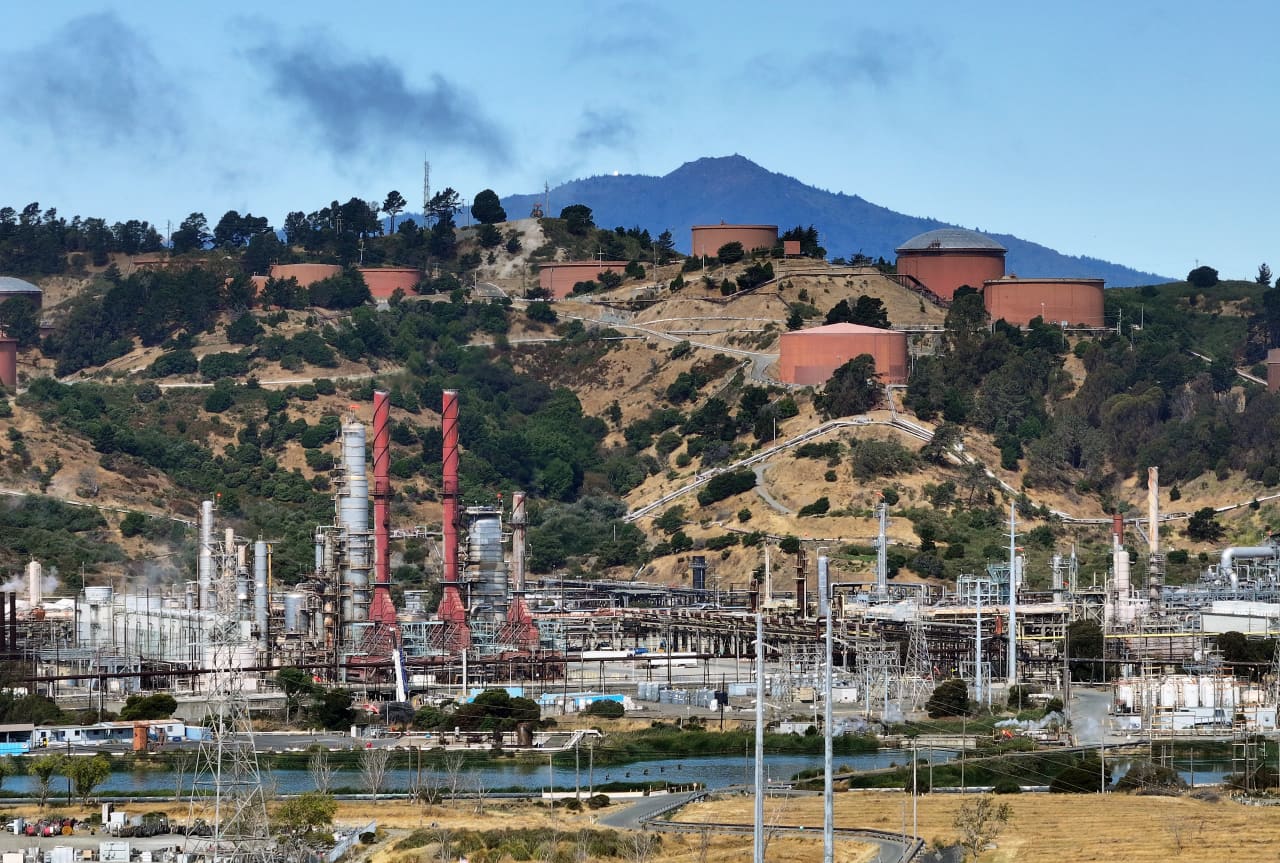
Global oil prices have remained relatively stable despite geopolitical tensions, aided by a mild European winter, strategic reserve releases, and slowing economic growth. However, experts warn these are temporary measures, and underlying supply risks combined with a potential demand rebound could lead to future price volatility.
Despite ongoing geopolitical instability and concerns of a widespread energy crisis, global oil prices have demonstrated unexpected stability. Market analysts attribute this resilience to three primary factors. Firstly, a warmer-than-anticipated winter in Europe significantly reduced demand for heating fuels, alleviating pressure on natural gas and, by extension, crude oil markets. Secondly, the strategic release of oil from various national reserves, particularly by the U.S. and its allies, has augmented supply and counteracted potential shortfalls. Lastly, a slowdown in global economic activity, influenced by persistent inflation and tighter monetary policies, has tempered industrial and consumer demand for energy.
However, this period of relative calm is widely regarded as precarious. The underlying geopolitical risks, including the ongoing conflict in Ukraine and potential disruptions in major oil-producing regions, remain potent threats to supply. Additionally, the strategic petroleum reserve releases are finite and unsustainable as a long-term solution. As these reserves are drawn down, future supply shocks could have a magnified impact. The efficacy of a mild winter is also a temporary reprieve, and future weather patterns could easily reverse this trend. Furthermore, while economic deceleration has curbed demand, a potential rebound in global growth could quickly tighten oil markets. Experts caution that these 'workarounds' are temporary and a more significant market reckoning, characterized by potential price spikes, remains a distinct possibility as underlying supply and demand fundamentals reassert themselves.
Analyst's Take
The current oil price stability, largely driven by demand-side weakness and reserve releases, masks a looming supply-side vulnerability that markets appear to be underpricing. As global manufacturing surveys begin to bottom and central banks signal a pivot towards easing later in the year, a renewed surge in demand for refined products could quickly deplete strategic reserves further and reveal the true tightness in crude markets, potentially leading to a more pronounced energy cost inflation by late Q3 or Q4.


