MarketsMarketWatchJun 11, 2026· 1 min read
SpaceX IPO: Retail Allocation Comes with Early-Sale Penalties
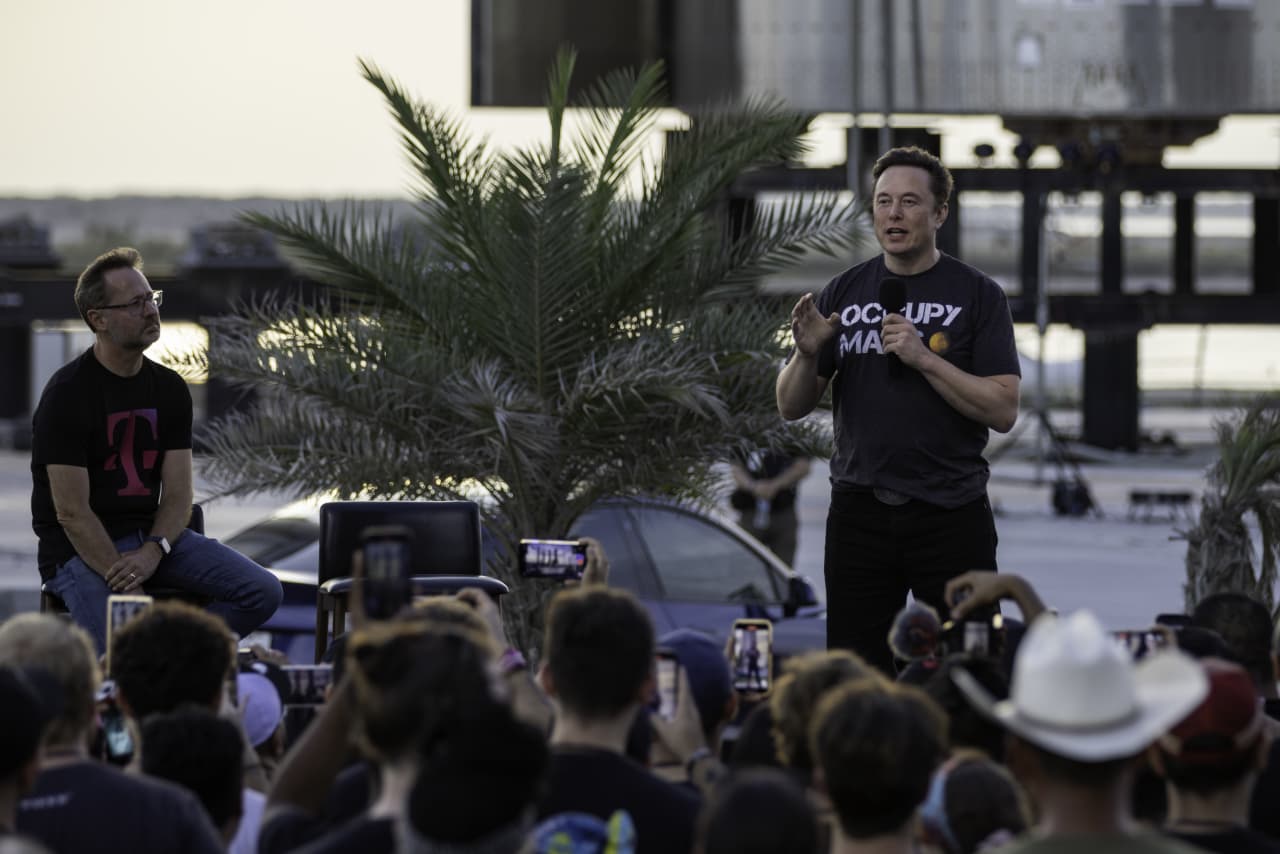
A potential SpaceX IPO is expected to allocate a substantial number of shares to retail investors. However, these investors will face penalties if they sell their shares too quickly after the offering.
Anticipation is building around a potential initial public offering (IPO) for Elon Musk's private space exploration company, SpaceX. Recent reports indicate that a significant portion of shares in such an offering would be allocated to retail investors, a move that could broaden access to high-demand private market assets. However, prospective retail participants should be aware of a crucial condition: penalties will be imposed on those who sell their shares too soon after the IPO.
This strategy suggests SpaceX, or its underwriting banks, aims to foster a more stable long-term investor base rather than encourage 'flipping' – the practice of selling shares quickly for a short-term profit. While the exact nature and duration of these penalties remain undisclosed, such restrictions are common in private market placements and some public offerings, often in the form of lock-up periods or reduced allocations in future offerings for those who violate the terms.
The allocation to retail investors, though potentially subject to these restrictions, could be seen as an effort to democratize investment opportunities in a highly sought-after, high-growth company typically reserved for institutional investors and high-net-worth individuals. For retail investors, this presents a unique chance to participate in a company with significant long-term potential, albeit with the caveat of reduced liquidity in the initial post-IPO phase. The economic implication for the company is a potentially more stable share price post-listing, less susceptible to immediate speculative trading pressures, aligning with a long-term growth narrative rather than short-term market volatility.
Analyst's Take
The imposition of early-sale penalties on retail investors for a high-profile IPO like SpaceX signals a broader trend towards managing post-listing volatility and cultivating long-term holders, potentially influenced by recent meme-stock phenomena. This strategy, if successful, could become a blueprint for future 'hot' IPOs, subtly shifting market dynamics away from immediate speculative gains and towards fundamental value, thereby impacting how retail liquidity is aggregated and utilized across the broader equity market.


