MarketsMarketWatchMay 22, 2026· 1 min read
US Consumer Sentiment Hits Record Lows Amid Economic Uncertainty
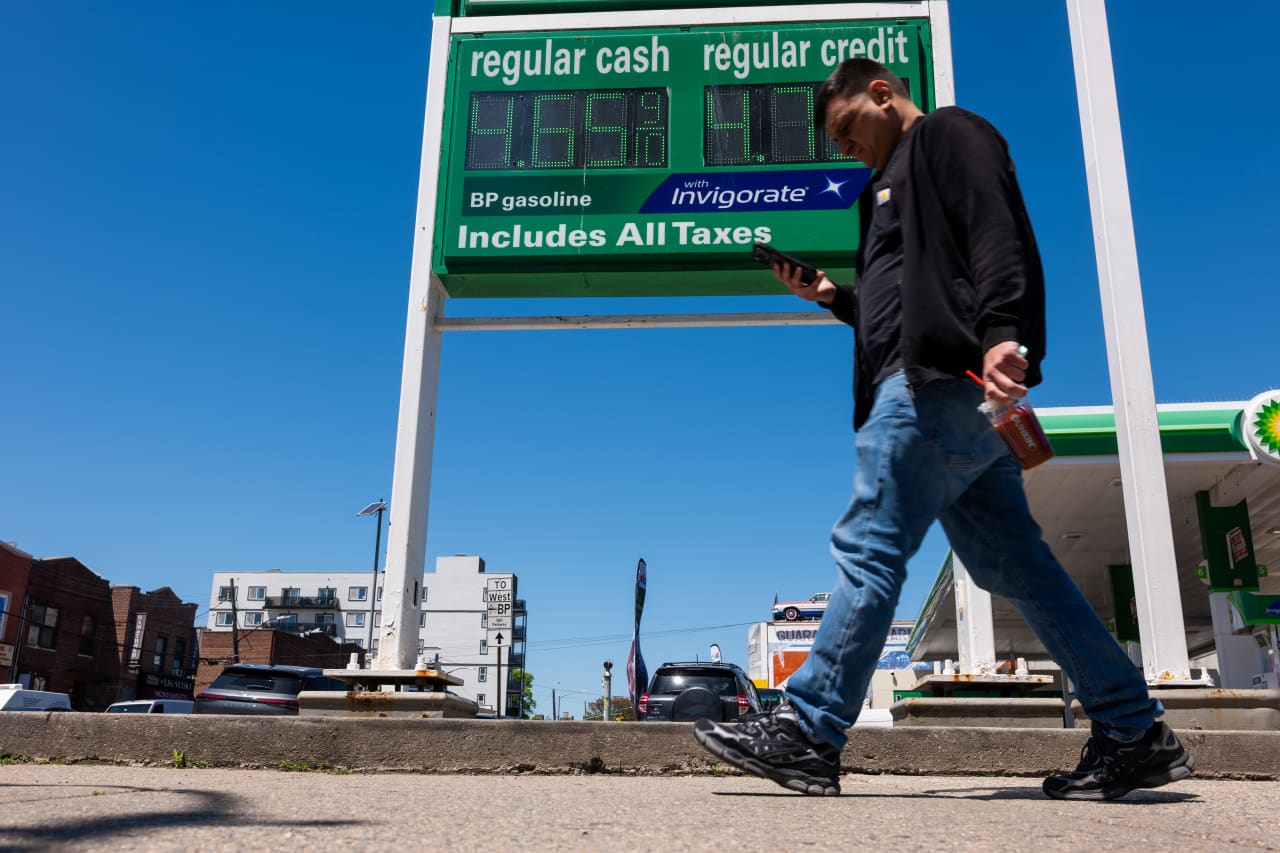
U.S. consumer sentiment has fallen to an unprecedented low, reflecting broad economic pessimism among households. This sustained decline could foreshadow a slowdown in consumer spending and broader economic growth.
U.S. consumer sentiment has registered a new all-time low, according to a prominent, long-running survey. This decline reflects a deepening pessimism among American households regarding the economic outlook. The aggregate index, which tracks consumer perceptions of current economic conditions and future expectations, indicates a broad-based erosion of confidence.
The persistent downward trend in sentiment suggests consumers are grappling with a confluence of economic headwinds. Factors contributing to this decline include elevated inflation, which continues to erode purchasing power, and rising interest rates, impacting borrowing costs for mortgages, auto loans, and other forms of credit. Geopolitical tensions and their potential spillover effects on global supply chains and commodity prices may also be playing a role in shaping consumer expectations.
Historically, consumer sentiment has been a leading indicator of future spending patterns, which comprise a significant portion of economic activity. A sustained period of low sentiment could signal a deceleration in consumer spending, potentially dampening economic growth in the coming quarters. Businesses may react to diminishing consumer confidence by scaling back investment and hiring plans, creating a negative feedback loop.
The decline transcends typical partisan divides, indicating underlying economic anxieties rather than purely political motivations. While political leanings can influence sentiment, the current low levels suggest a more fundamental concern across various demographic segments about household finances and the broader economic trajectory. This widespread concern presents a challenge for policymakers aiming to stabilize the economy and foster a more optimistic outlook.
Analyst's Take
While the headline focuses on consumer sentiment, the underlying data may reveal a growing bifurcation in household balance sheets. High-income earners might continue to spend from accumulated savings, masking a more severe retrenchment among lower-to-middle income groups struggling with inflation, a trend that could widen wealth inequality and strain the consumer-driven economy in 6-12 months as excess savings deplete.


