EnergyOilPrice.comMay 15, 2026· 1 min read
US Oil Rig Count Rises as Crude Prices Incentivize Drilling Activity
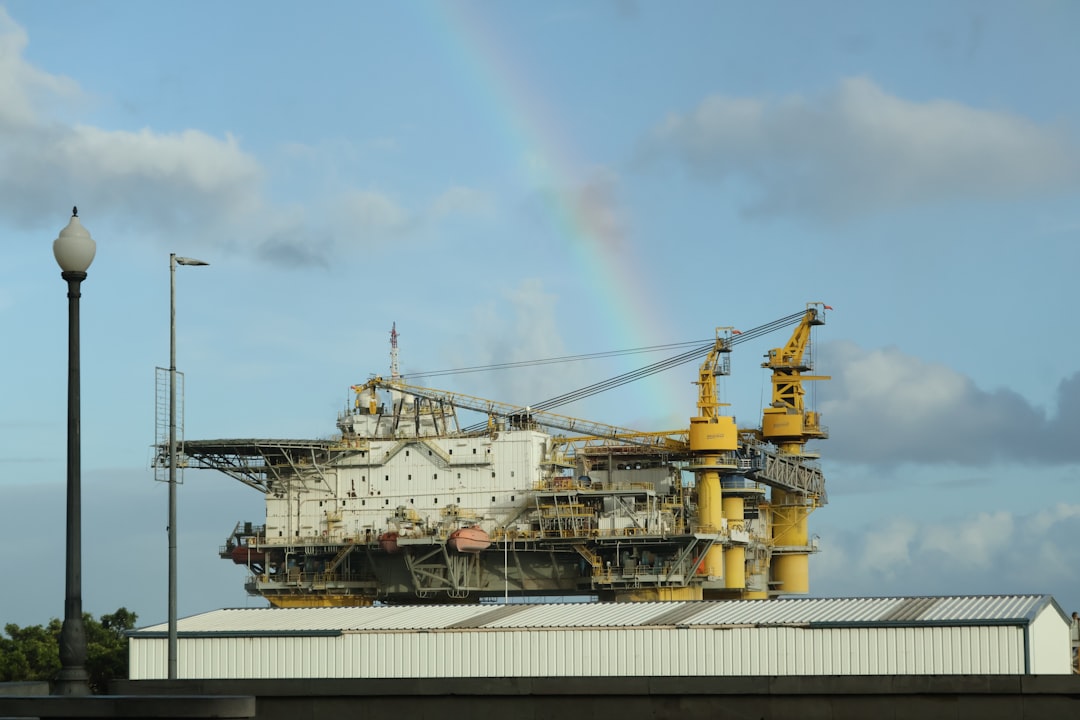
The total U.S. oil and gas rig count rose to 551 this week, driven by a 5-rig increase in active oil drilling as crude prices incentivize production. Despite the weekly gain, the overall rig count remains below year-ago levels, reflecting a cautious but responsive industry.
The number of active oil and gas drilling rigs in the United States increased this week, signaling a response from producers to climbing crude prices. Data released by Baker Hughes on Friday indicates the total U.S. rig count reached 551, though this figure remains 25 rigs lower than a year ago.
Specifically, the number of active oil rigs saw an increase of 5, bringing the total to 415. While this represents a pickup in activity, the oil rig count is still 50 rigs below its level at the same point last year. This suggests that while producers are reacting to current market conditions, the industry has not yet returned to prior activity levels.
Conversely, the number of active gas rigs declined by 1, settling at 128. This figure is 20 rigs higher than a year ago, indicating a more robust recovery in natural gas drilling activity over the past year despite the recent weekly dip. The miscellaneous rig count also experienced a minor decrease of 1, reaching 8.
The weekly fluctuations in rig counts are a key indicator of producer sentiment and capital expenditure in the energy sector. A rising oil rig count, especially in the context of higher crude prices, points to increased investment in exploration and production, which could eventually translate into higher domestic supply. This trend is closely monitored by market participants for insights into future supply dynamics and potential impacts on global oil benchmarks.
Analyst's Take
While a rising rig count typically signals future supply increases, the persistent year-over-year deficit in oil rigs suggests that existing inventory or DUC (Drilled but Uncompleted) wells may be playing a larger role in meeting immediate demand rather than substantial new drilling. The divergence between gas and oil rig counts also indicates differing capital allocation strategies, potentially driven by more favorable long-term contract pricing for gas compared to the volatile spot market for oil.