MarketsMarketWatchApr 30, 2026· 1 min read
Memory Sector Stumbles Despite Western Digital's Earnings Beat
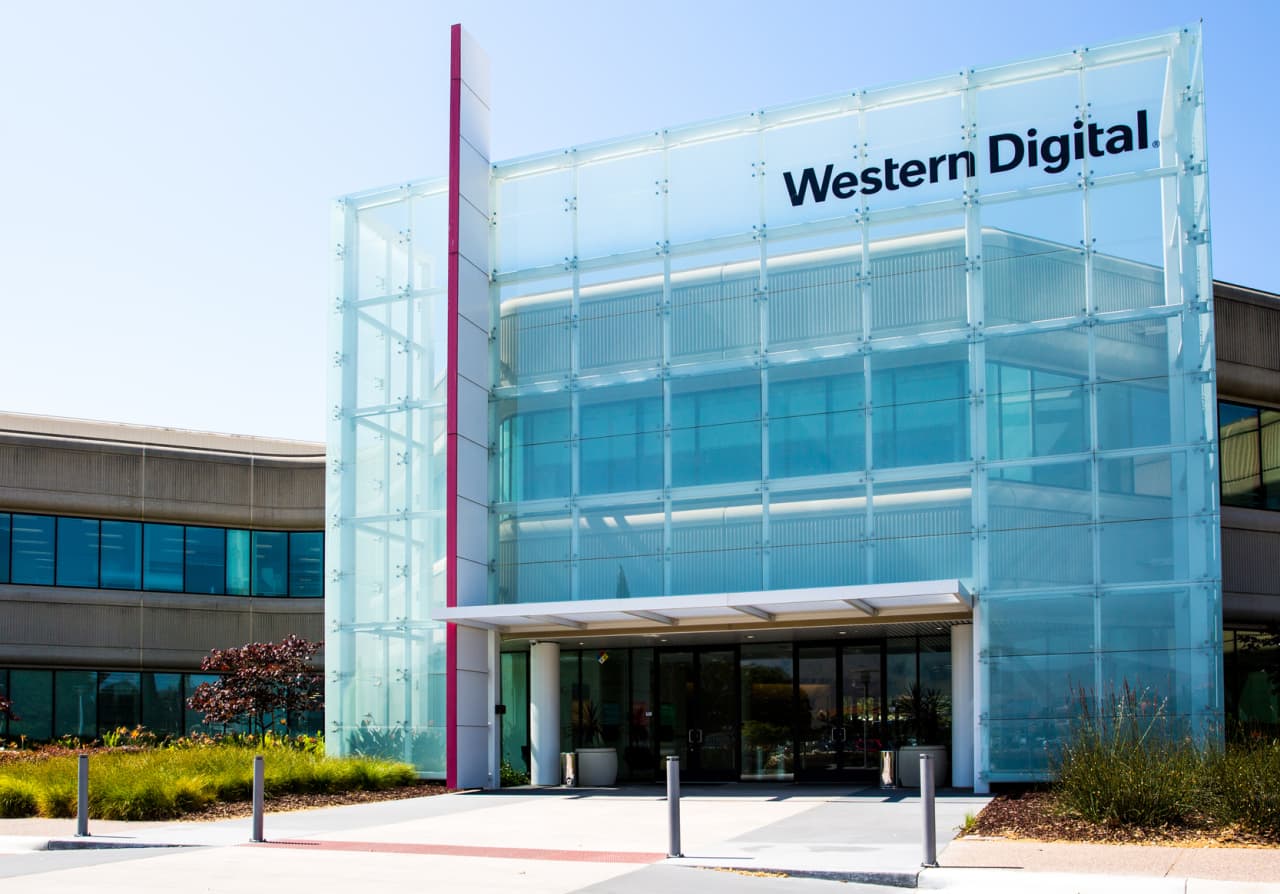
Western Digital's stock declined despite beating analyst estimates for its fiscal third-quarter earnings, signaling investor concern about the memory sector's extended rally. This suggests a re-evaluation of the market's recovery prospects after substantial one-year gains across the industry.
Despite Western Digital (WDC) reporting an adjusted profit of $1.15 per share for its fiscal third quarter, surpassing analyst expectations of $1.01 per share, the company's stock experienced a decline. Revenue for the period reached $3.46 billion, aligning with consensus estimates. This lukewarm investor response follows a substantial rally in memory sector stocks over the past year, with Western Digital's shares climbing approximately 80% and SanDisk's (SNDK) parent company, Kioxia, also seeing significant gains.
The broader memory market, encompassing both NAND flash and DRAM, has faced challenges related to oversupply and fluctuating demand in recent cycles. While a recovery had been anticipated, the muted reaction to Western Digital's earnings suggests investors may be re-evaluating the sustainability or pace of this recovery. The company's flash business, which includes its SanDisk brand, is particularly sensitive to these market dynamics. The current investor sentiment indicates a potential shift from a 'buy on anticipation' strategy to a more 'show me the sustained growth' approach.
This development could signal a period of increased scrutiny for memory manufacturers, with future stock performance likely tied more directly to concrete evidence of demand rebound and disciplined supply management. The sector's cyclical nature often leads to periods of rapid appreciation followed by consolidation, and the recent price action could be indicative of the latter taking hold as the initial enthusiasm wanes.
Analyst's Take
The market's tepid response to Western Digital's beat, post-rally, could be a leading indicator of waning 'animal spirits' in the broader tech hardware space, suggesting a shift from speculative growth to fundamentals-driven valuation. This sentiment, if it spreads, may impact venture capital deployment and IPO activity for hardware startups in the coming quarters, even as AI drives demand for specialized memory.


