MacroBBC BusinessAug 4, 2026· 1 min read
BP's Q1 Profit Surges on Elevated Oil Prices, Igniting Profitability Debate
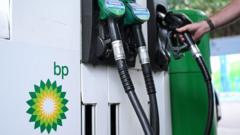
BP reported a Q1 underlying replacement cost profit of $5.7 billion, its highest since Q4 2022, primarily driven by elevated global crude oil prices linked to Middle East geopolitical tensions. This financial surge has intensified scrutiny from environmental groups accusing the energy giant of profiteering.
BP has reported a first-quarter underlying replacement cost profit of $5.7 billion, marking its highest since the fourth quarter of 2022. This significant increase in profitability is primarily attributed to higher crude oil prices, which have seen an uplift due to geopolitical tensions, particularly the conflict in the Middle East involving Iran.
The energy major's robust financial performance underscores the direct correlation between global crude benchmarks and the earnings of integrated oil and gas companies. Brent crude futures, a key international benchmark, have traded at elevated levels throughout the quarter, providing a substantial tailwind for upstream operations and refining margins. While higher prices benefit BP's top-line revenue, they also translate into improved profitability across its portfolio, allowing the company to generate stronger cash flows.
This profit surge comes amidst ongoing scrutiny from environmental advocacy groups, who have accused BP and other energy giants of 'profiteering' from geopolitical instability. These groups argue that the current market environment, characterized by supply concerns and heightened demand, allows companies to reap extraordinary profits while consumers face increased energy costs. BP, for its part, maintains that its financial results reflect efficient operations and strategic investments designed to meet global energy demand.
Economically, BP's performance highlights the sustained demand for fossil fuels despite the global push towards renewable energy. The company's ability to capitalize on prevailing market conditions demonstrates the resilience and profitability of traditional energy assets, particularly in times of supply constraint or geopolitical uncertainty. This dynamic continues to shape investment decisions within the energy sector, balancing long-term sustainability goals with immediate market opportunities.
Analyst's Take
While BP's immediate earnings benefit from higher oil prices, the sustained profitability of traditional energy majors could decelerate capital reallocation towards renewables, impacting the pace of energy transition. Further, consistent geopolitical premiums on crude might signal growing inflationary pressures not fully captured by current core inflation metrics, potentially complicating central bank policy decisions later in the year.

