TradeSCMP BusinessApr 26, 2026· 1 min read
Hong Kong's Luxury Property Market Surges, Driven by Mainland Capital and Equity Gains
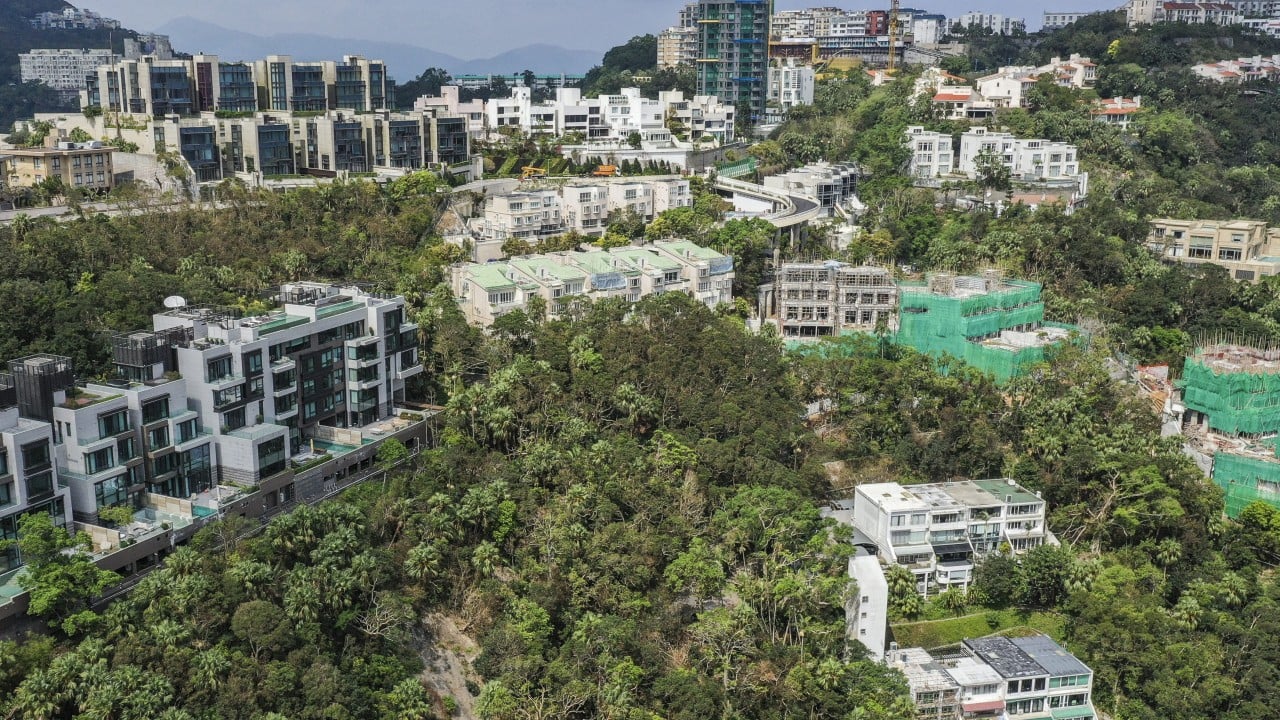
Hong Kong's luxury home sales surged by 156% in Q1, driven by a buoyant stock market and mainland Chinese capital. Analysts anticipate continued growth in Q2 due to sustained investor interest and attractive asset pricing.
Hong Kong's luxury residential market experienced a significant uptick in the first quarter of the year, with sales more than doubling, a 156% increase, compared to the same period last year. This robust performance is primarily attributed to a buoyant stock market generating a 'wealth effect' and the perceived attractive pricing of assets, according to market analysts.
The influx of wealthy investors, particularly from mainland China, has been a key driver in this surge. Analysts project that this upward trend in luxury home sales is likely to persist into the second quarter, indicating sustained demand within the high-end segment of Hong Kong's property market.
While specific figures for average transaction values or total investment volume were not provided, the doubling of sales volume underscores a substantial increase in capital deployment into luxury real estate. The sustained interest from mainland Chinese buyers highlights the ongoing cross-border capital flows and their influence on Hong Kong's asset markets.
The 'wealth effect' stemming from accumulated gains in equity markets over the past two years has provided affluent individuals, both local and mainland Chinese, with enhanced purchasing power, channeling a portion of these gains into tangible assets like luxury homes. This trend suggests a positive correlation between equity market performance and high-end property demand in the region.
Analyst's Take
The sustained luxury property boom, fueled by equity market gains and mainland capital, could mask underlying affordability issues in broader residential segments. This concentrated capital inflow into high-end assets may not translate to a trickle-down effect, potentially exacerbating wealth disparity signals rather than reflecting overall economic health or broad-based recovery. Furthermore, a shift in mainland capital deployment from equities towards tangible assets like HK property could signal a perceived stabilization or diversification play, rather than outright bullishness on HK's domestic economic outlook.