MacroBBC BusinessJul 27, 2026· 1 min read
Southern European Wildfires Threaten Tourism and Regional Economies
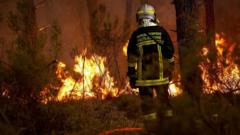
Wildfires in Southern Europe, specifically France and Spain, are disrupting the peak summer tourist season, leading to travel cancellations and revenue losses for local businesses. This environmental crisis poses an economic threat to the region's tourism-dependent economies and will necessitate costly recovery and prevention efforts.
Wildfires currently raging across Southern Europe, particularly in France and Spain, are posing a significant threat to the region's vital tourism sector and broader economic stability. The conflagrations have led to mass evacuations, infrastructure damage, and widespread disruption, impacting travel plans for millions of prospective visitors.
In France, the Gironde department, a popular tourist destination known for its vineyards and coastal areas, has seen extensive damage and evacuations. Similarly, parts of Spain, including popular coastal and inland regions, are battling numerous blazes, leading to similar disruptions. These events typically result in cancellations, reduced visitor numbers, and decreased spending on accommodation, dining, and local activities.
Economically, the immediate impact manifests as lost revenue for hospitality businesses, travel operators, and ancillary services. The ripple effect extends to local employment, with temporary workers potentially facing job losses or reduced hours. Rebuilding efforts and environmental restoration will also incur substantial costs, placing a burden on regional and national budgets.
The timing of these wildfires is particularly critical, coinciding with the peak summer travel season, which is crucial for Southern European economies recovering from previous pandemic-related disruptions. While immediate financial losses are evident, the longer-term implications could include a perceived decrease in regional attractiveness due to environmental degradation and potential hesitancy among future tourists to visit fire-prone areas. This could necessitate increased investment in fire prevention and sustainable tourism initiatives to mitigate future risks and bolster economic resilience.
Analyst's Take
While the immediate impact on tourism revenue is apparent, the persistent threat of climate-driven extreme weather events like these fires could force a re-evaluation of sovereign risk premiums for Southern European nations, potentially increasing borrowing costs over the medium term. This reflects a growing market recognition of climate change's financial implications, extending beyond localized tourism to broader fiscal stability.

