EnergyOilPrice.comAug 7, 2026· 1 min read
ADNOC Reports Rising Vessel Attacks Amid Escalating Hormuz Risks
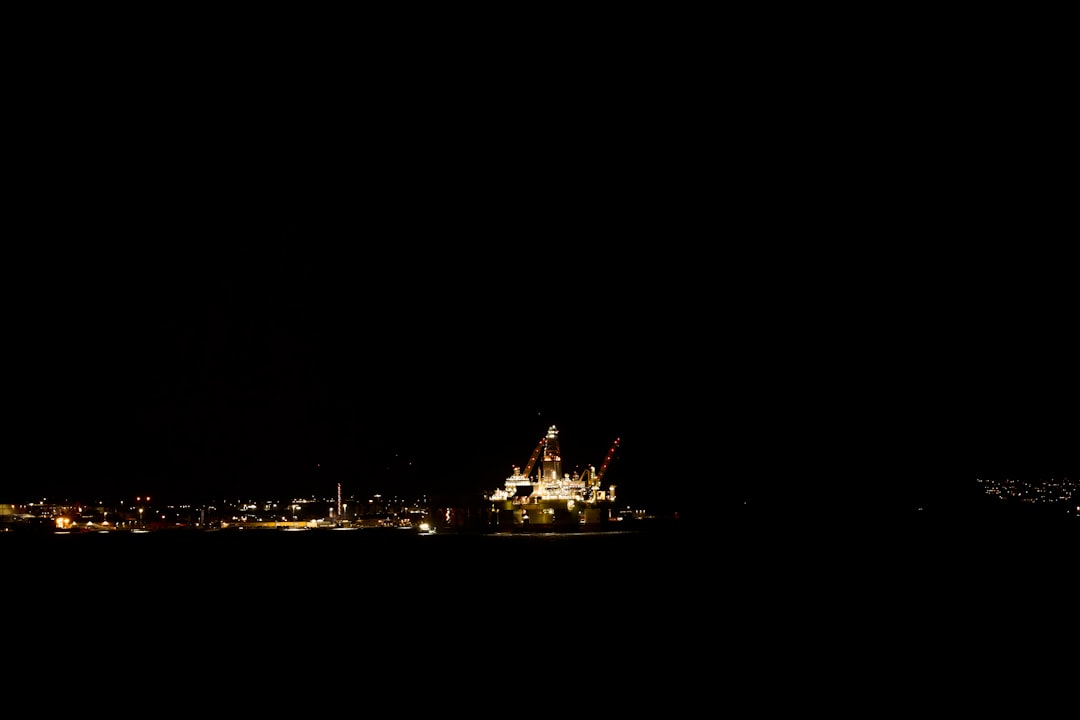
ADNOC reports 15 vessel attacks, including three this week, in the Strait of Hormuz, highlighting significant operational impacts and one fatality. These incidents underscore mounting geopolitical risks to the critical energy transit route, threatening global oil and gas supply stability.
Abu Dhabi National Oil Company (ADNOC) has reported a significant increase in attacks targeting its vessels and personnel, impacting its operations in the crucial Strait of Hormuz. The company disclosed that 15 of its vessels have been struck by missiles or drones since the ongoing regional conflict began, with three incidents occurring just this past week. These assaults have resulted in one fatality and 20 injuries among its crew members.
The Strait of Hormuz, a narrow maritime chokepoint, is a vital artery for global energy markets. Prior to the recent escalation, it facilitated the transit of approximately one-fifth of the world's total oil consumption. ADNOC, a major global energy producer, relies heavily on this strait for the transportation of crude oil, natural gas, and refined petroleum products to international markets.
The reported attacks underscore the growing geopolitical risks in the Middle East, directly threatening the stability of global energy supply chains. Increased security concerns and operational disruptions in such a critical transit route have the potential to impact shipping costs, insurance premiums, and ultimately, commodity prices. The persistence of these attacks raises questions about the long-term reliability of energy flows from the region and the broader economic implications for consumer nations reliant on these supplies. The immediate economic impact is reflected in heightened market anxieties regarding supply disruptions, potentially leading to upward pressure on oil and gas benchmarks.
Analyst's Take
The market appears to be underpricing the compounding effect of sustained, albeit low-level, attacks on shipping. While individual incidents may cause temporary price spikes, the cumulative impact on long-term shipping insurance rates, crew availability, and port congestion could subtly elevate the floor for energy prices and introduce structural inefficiencies into global supply chains, materializing more distinctly in Q3 as risk premiums are baked into annual contracts.