MarketsMarketWatchMay 27, 2026· 1 min read
Escalating Cancer Treatment Costs Pressure Healthcare Budgets, Policy
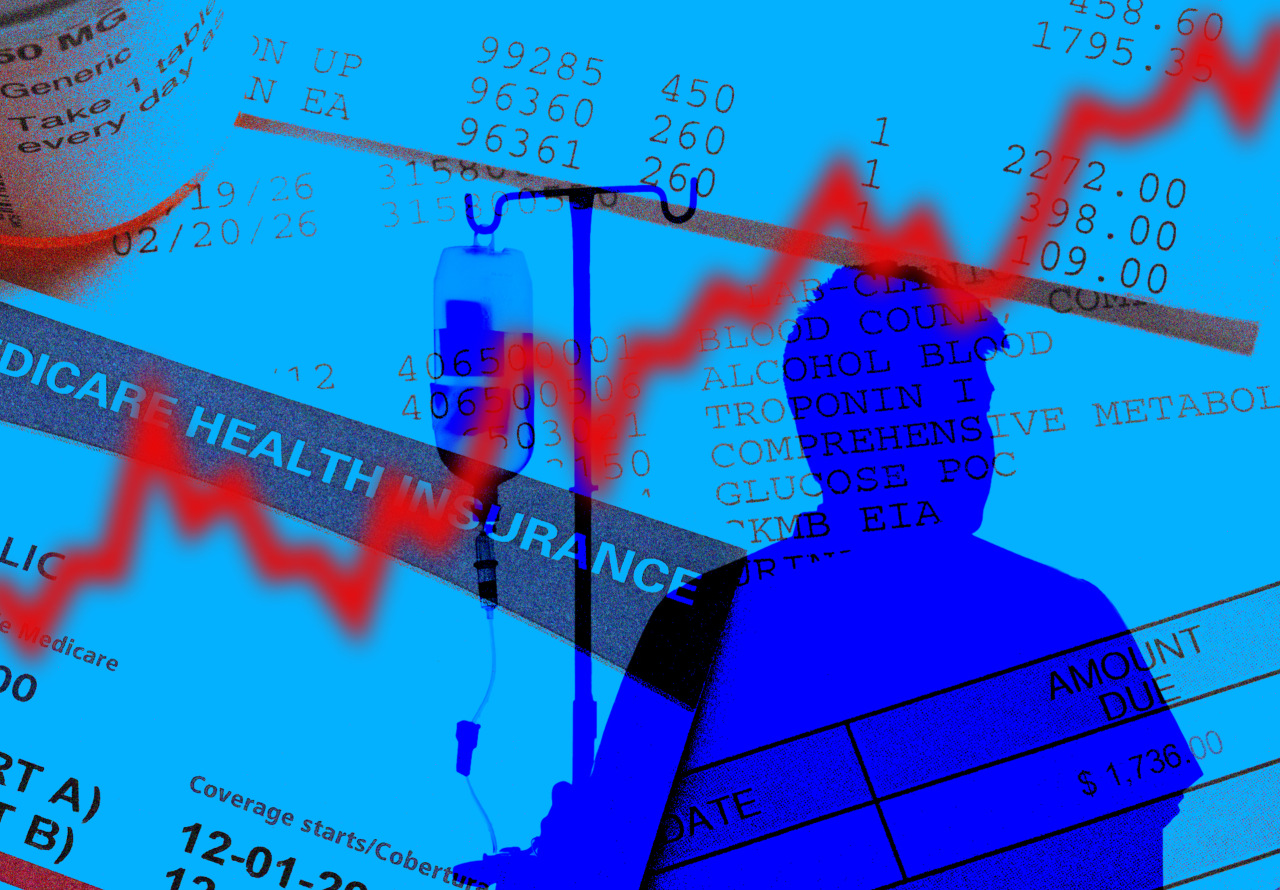
Cancer treatment costs, already hundreds of thousands of dollars, are projected to increase further, exacerbating financial burdens on patients and healthcare systems. The rising expenses underscore ongoing debates about healthcare affordability and the role of policies like the Affordable Care Act in managing patient financial strain.
The financial burden of cancer treatment continues its upward trajectory, presenting significant challenges for patients, healthcare providers, and policymakers. Current oncology therapies often entail costs running into hundreds of thousands of dollars, a figure projected to rise further.
Historically, discussions around healthcare affordability, particularly for chronic and life-threatening conditions like cancer, have highlighted the role of legislative frameworks. For instance, the Affordable Care Act (ACA) introduced mechanisms aimed at expanding coverage and limiting out-of-pocket expenses, potentially mitigating some of the financial strain experienced by patients. These mechanisms include caps on annual out-of-pocket spending and mandates for coverage of pre-existing conditions.
The economic implications of soaring treatment costs are multi-faceted. For individuals, these expenses can lead to medical debt, bankruptcy, and delayed or foregone treatment, impacting health outcomes and broader economic productivity. From a systemic perspective, escalating costs place immense pressure on insurance premiums, employer-sponsored health plans, and government healthcare budgets, such as Medicare and Medicaid.
Pharmaceutical innovation, while crucial for medical advancement, is a primary driver of these rising costs, particularly for novel targeted therapies and immunotherapies. The pricing models for these advanced treatments reflect research and development investments, but also contribute to the overall expenditure. As more sophisticated treatments emerge, the economic balancing act between innovation, accessibility, and affordability becomes increasingly complex, necessitating ongoing policy debates and potential market interventions to ensure sustainable healthcare access.
Analyst's Take
The persistent rise in cancer treatment costs, while seemingly a healthcare-specific issue, has second-order effects on labor market participation and consumer spending. High medical debt acts as a drag on economic recovery, disproportionately affecting vulnerable populations and potentially widening wealth disparities as individuals deplete savings or delay retirement. The market may be overlooking the systemic risk this poses to credit quality for lower-income segments and the long-term fiscal strain on public health programs, which could necessitate future tax increases or spending cuts in other areas.


