EnergyOilPrice.comJul 10, 2026· 1 min read
Russian Refinery Attacks Spark Central Asian Energy Crisis
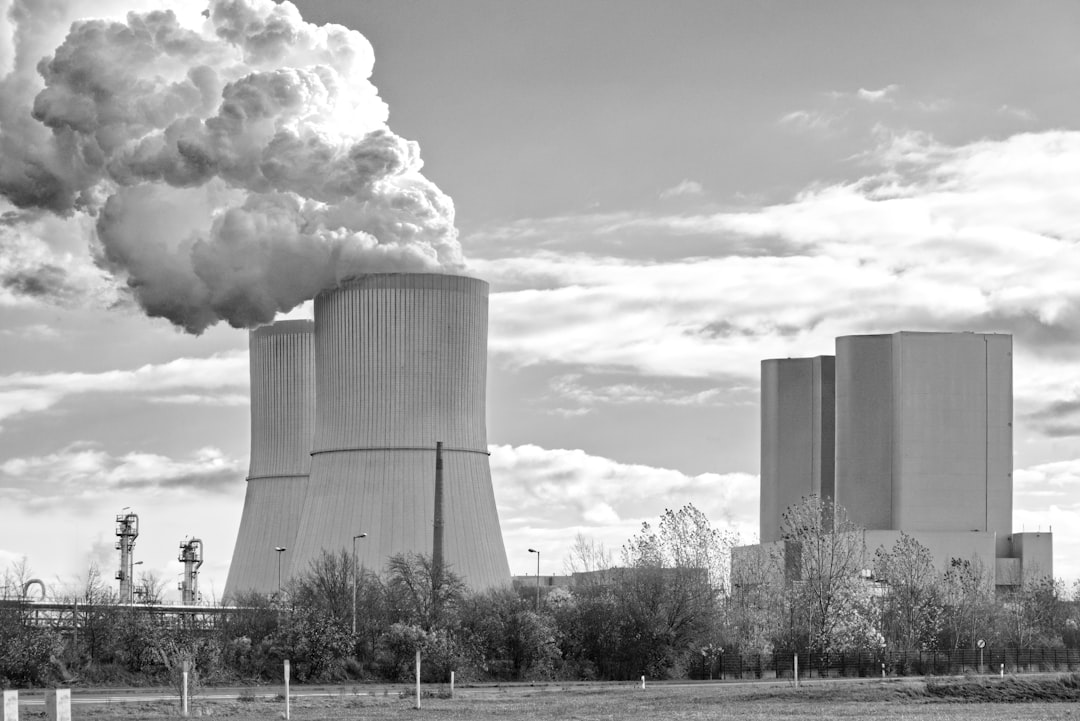
Ukrainian drone attacks on Russian oil refineries are causing significant fuel supply disruptions in Central Asia, exposing the region's over-reliance on Russian refined petroleum products. The incapacitation of key Russian refineries, like Omsk, underscores the urgent need for Central Asian nations to diversify their energy sources and enhance regional energy security strategies.
Sustained Ukrainian drone attacks on Russian oil refineries have severely impacted fuel supplies to Central Asian nations, exposing the region's long-standing reliance on Russian energy infrastructure and a lack of diversified supply chains. The recent disabling of Russia's Omsk refinery, a critical processing facility with an annual capacity of nearly 22 million tons of crude oil, has particularly exacerbated the situation, forcing countries like Kyrgyzstan to scramble for alternative fuel sources.
Central Asia, a region historically dependent on Russia for refined petroleum products, is experiencing immediate and significant energy disruptions. These supply shocks are a direct consequence of Russia's reduced refining capacity, which has ripple effects across its export markets. While Russia maintains substantial crude oil production, its ability to process and distribute refined fuels has been compromised.
The crisis highlights a broader issue of energy security and strategic planning within Central Asia. Years of fragmented energy policies and insufficient investment in domestic refining capabilities or alternative import routes have left these economies vulnerable to external shocks. The current situation underscores the urgent need for Central Asian governments to accelerate energy diversification efforts and develop robust regional energy strategies to mitigate future supply chain vulnerabilities. This includes exploring new trade partnerships, investing in domestic refining infrastructure, and potentially enhancing cross-border energy cooperation within the region.
Analyst's Take
The immediate energy crisis in Central Asia is a harbinger of potential future geopolitical shifts in the region, as affected nations may be compelled to re-evaluate their long-term strategic alliances and seek energy partners beyond Russia. This could lead to increased engagement from China or other regional powers, potentially impacting future infrastructure investment and trade flow dynamics over the next 12-24 months, which bond markets may not yet fully price in.